INFORMATION
What does hernia repair surgery correct?
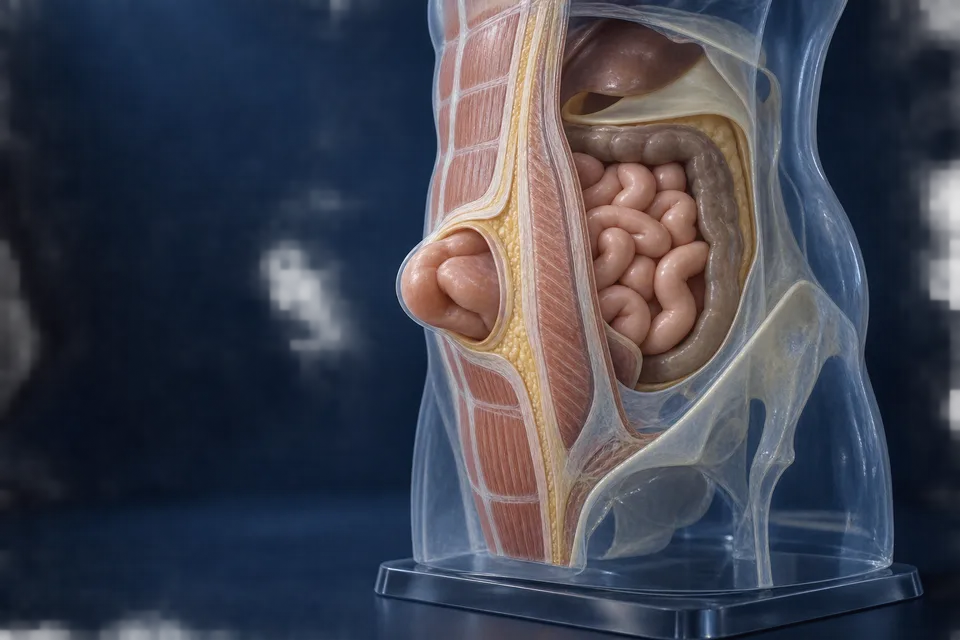
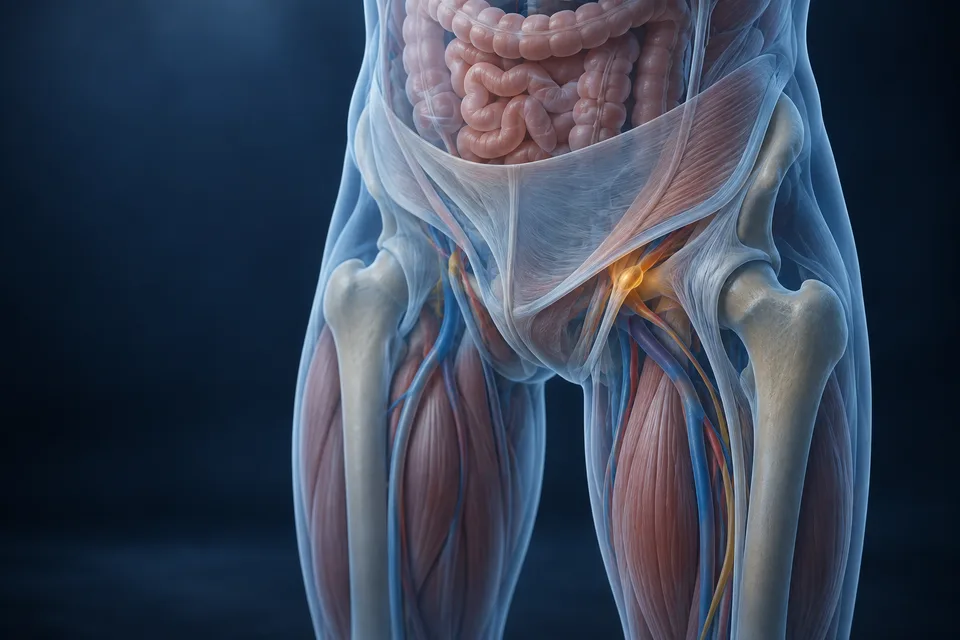
Hernia repair corrects the gap or weakness in the abdominal wall through which fat or part of the intestine protrudes. The appropriate operation is not the same for every hernia: location, size, previous surgical history, and patient needs determine the use of mesh and the choice of open, laparoscopic, or robotic technique.
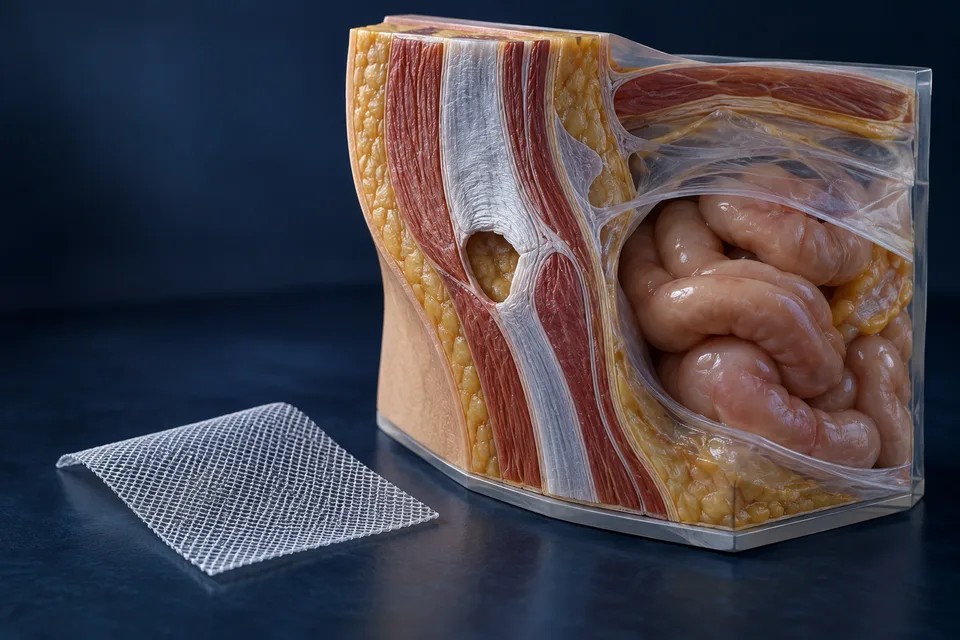
During the operation, the gap in the abdominal wall is treated and, where necessary, the area is reinforced with mesh. The aim is to control symptoms and limit the risk of complications and recurrence, without any technique providing an absolute guarantee.
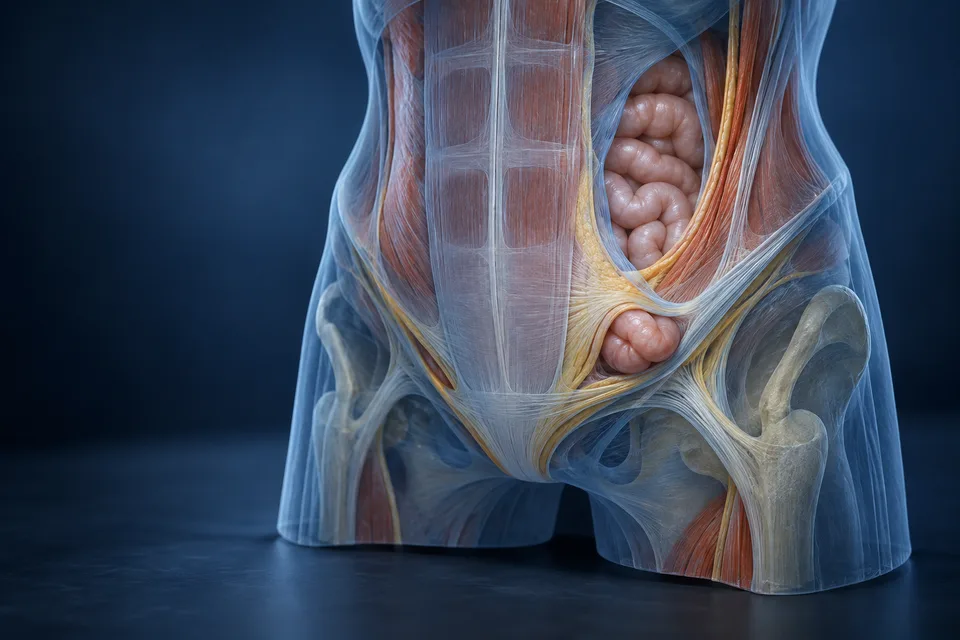
Inguinal hernia and femoral hernia
Inguinal and femoral hernias have different anatomy and complication risks. Femoral hernias require particular attention because of the risk of strangulation.
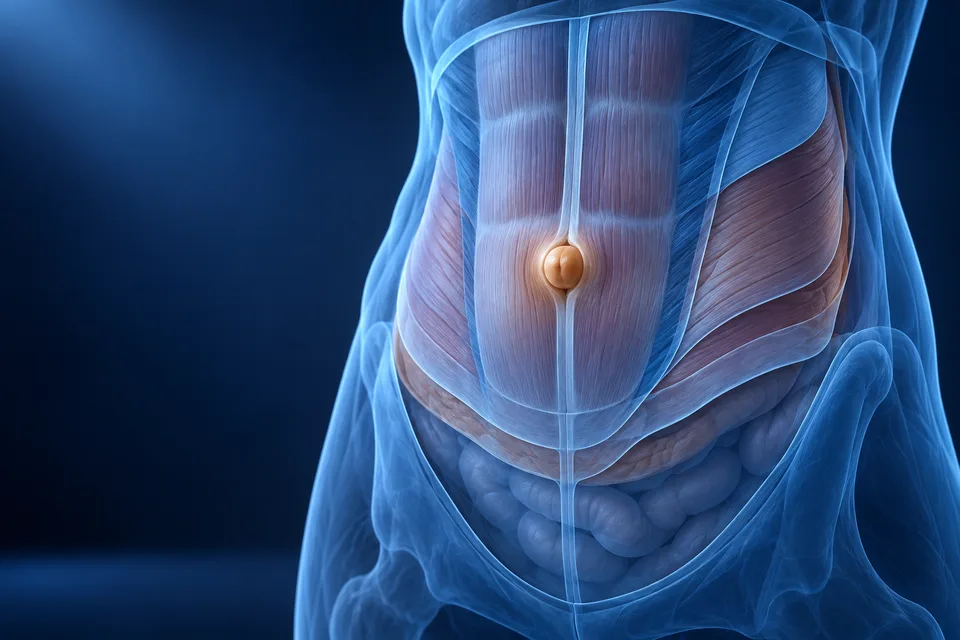
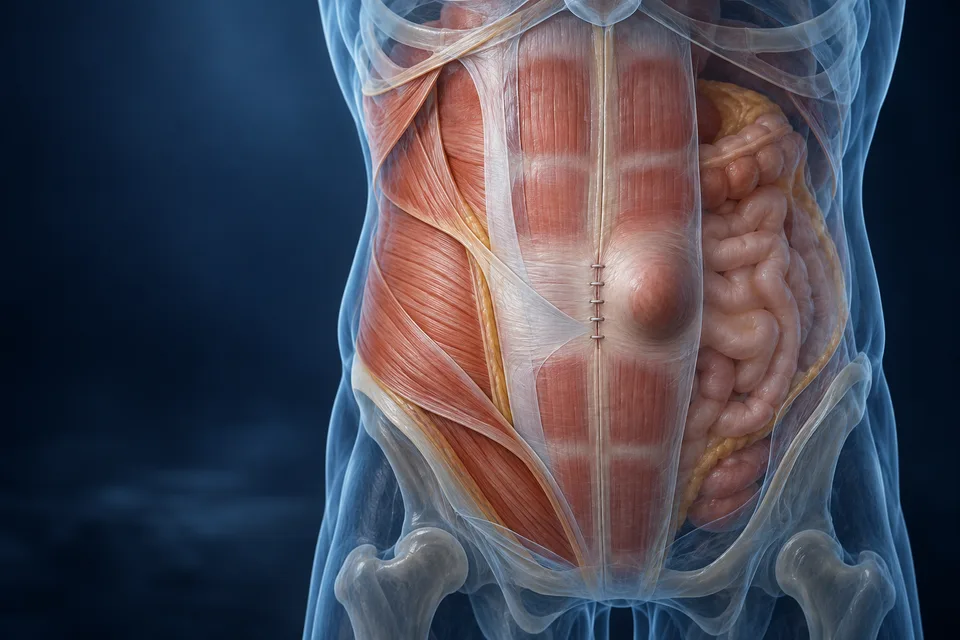
Umbilical hernia, epigastric and incisional hernia
Midline and incisional hernias can have very different sizes and reconstruction needs. Large hernias in particular require individualised planning.
INFORMATION
When is surgery considered and when is observation?
The discomfort, the increase in size, the effect on everyday life and the special characteristics of the hernia lead to the discussion of surgery. In some minimally symptomatic inguinal hernias follow-up may be agreed. This option does not automatically apply to a femoral hernia or a hernia with an increased risk of complications.
Strangulation — an emergency
A painful lump that does not go down, especially with vomiting, abdominal distention or general deterioration, needs immediate hospital assessment.
INFORMATION
Mesh or stitching?
Modern meshes reduce the risk of recurrence in many categories of hernias, but are not mandatory in every small lesion. The decision is influenced by size, tissue quality, risk of infection, previous operations and personal factors. Mesh-related complications such as infection or chronic pain should also be discussed.
Personalised CARE
The right treatment
starts with you.
Your investigations, history and needs guide the next step. Discuss the available options with your doctor.
Talk to the doctor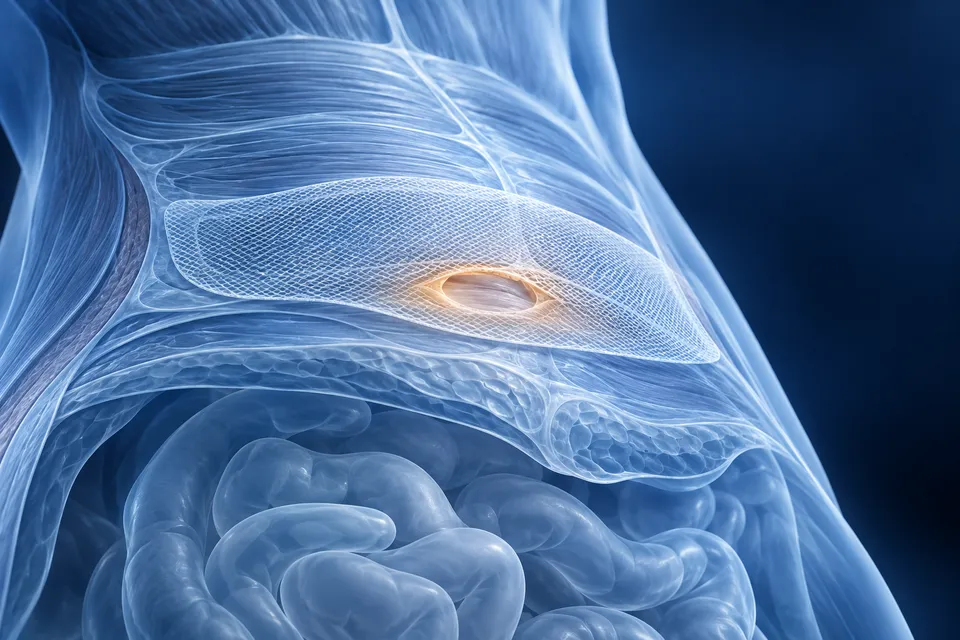
INFORMATION
Open, laparoscopic and robotic repair
Open surgery offers direct access to the hernia area. Laparoscopy uses small incisions and a camera, while robotics is an assistive technique in selected cases. No approach is universally superior: the surgical decision depends on anatomy, availability, surgical experience, and risk to the patient.
When is the TEP method chosen?
TEP is an extraperitoneal laparoscopic technique mainly for inguinal hernias. It has its own dedicated article and should not be confused with all abdominal wall repair techniques.
INFORMATION
Preoperative assessment
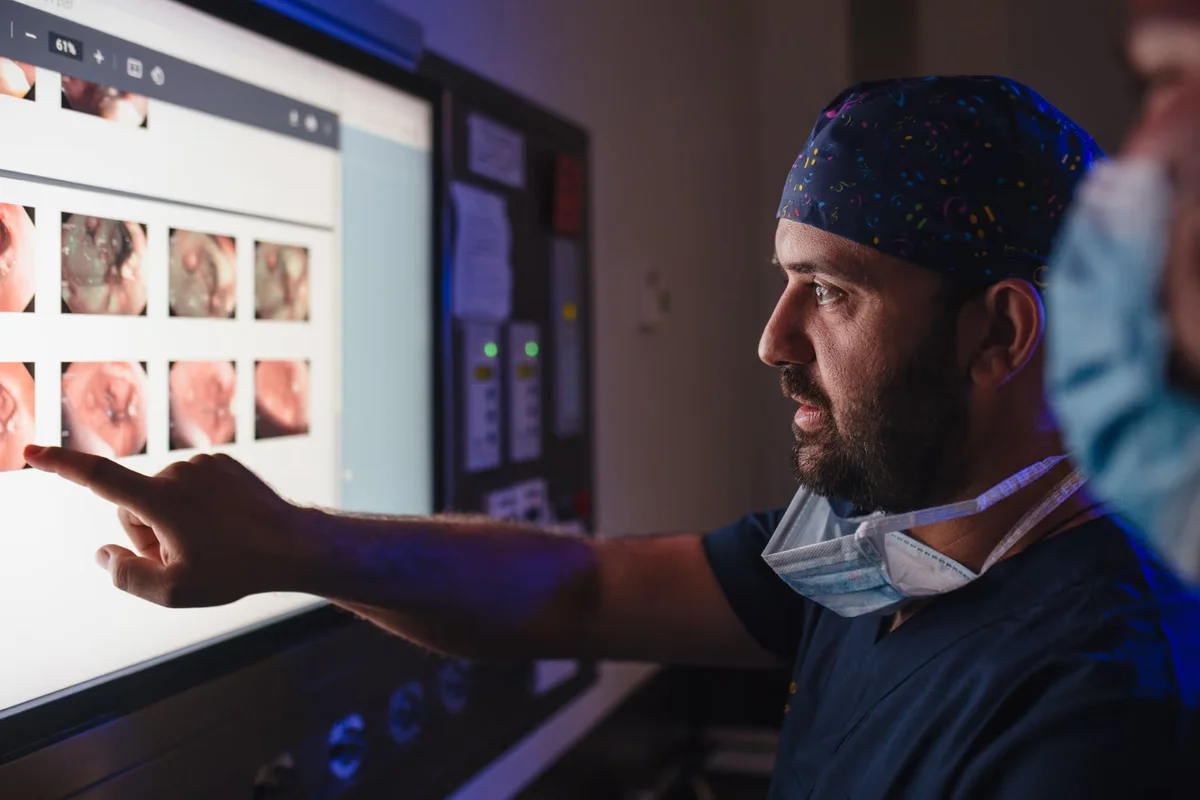
Diagnosis is usually based on clinical examination. Ultrasound or CT may be needed when the image is not clear or to plan a complex hernia. Previous surgeries, weight, smoking, diabetes, medication and desire for future pregnancy are assessed where relevant.
INFORMATION
Recovery, restrictions and recurrence
Mobilisation usually begins early, but return to work and lifting depends on the technique and hernia size. Instructions cover wound care, gradual activity and follow-up. Important risks include haematoma, seroma, infection, persistent pain and recurrence. Markedly increasing pain, fever or obstruction symptoms require medical assessment.
INFORMATION
Medical assessment and communication
Information is not a substitute for an examination and an individualised treatment plan. To evaluate and discuss options: Contact the doctor.