INFORMATION
What is the TEP method and how does it work?
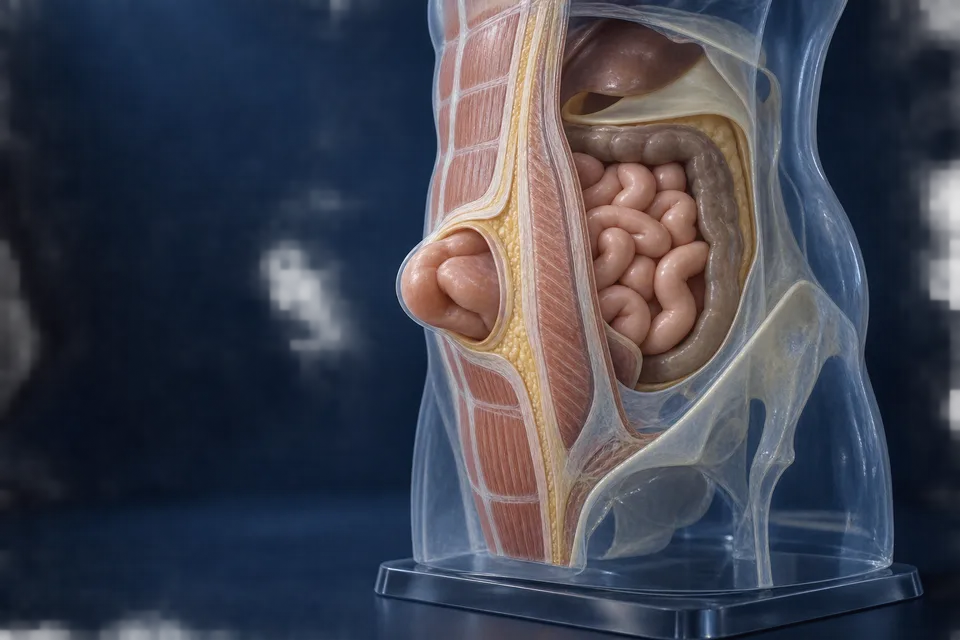
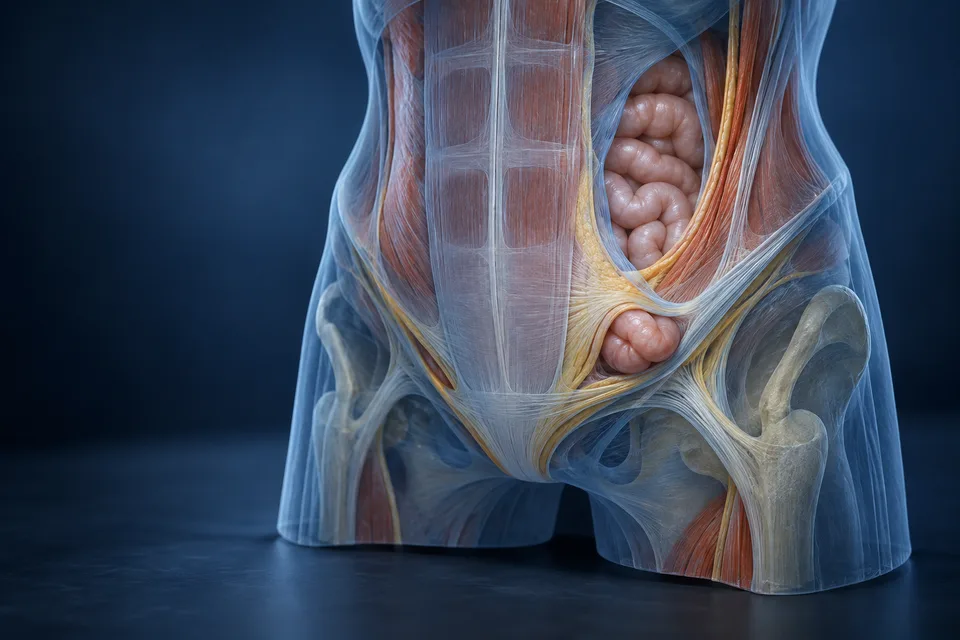
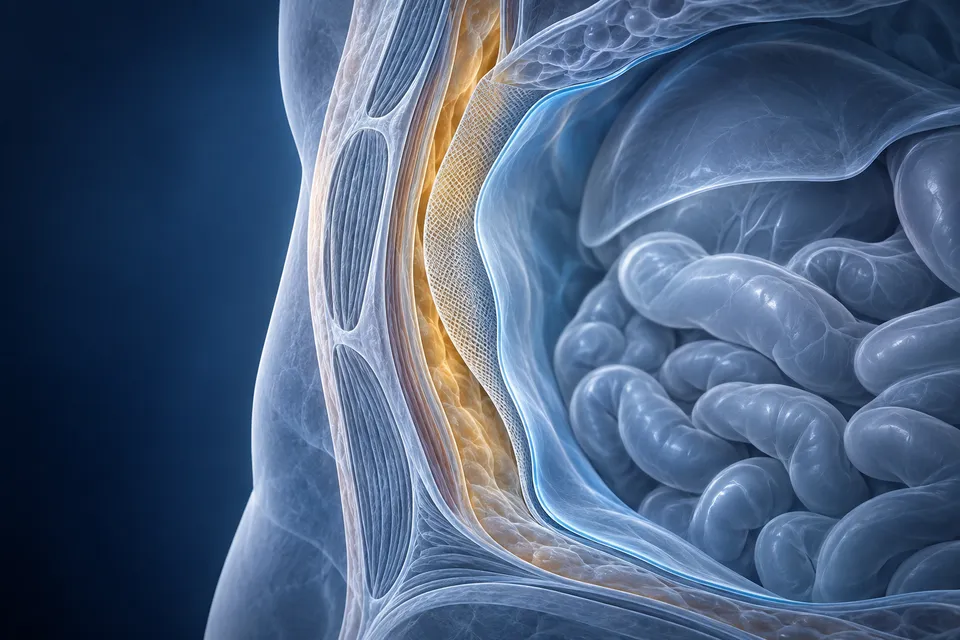
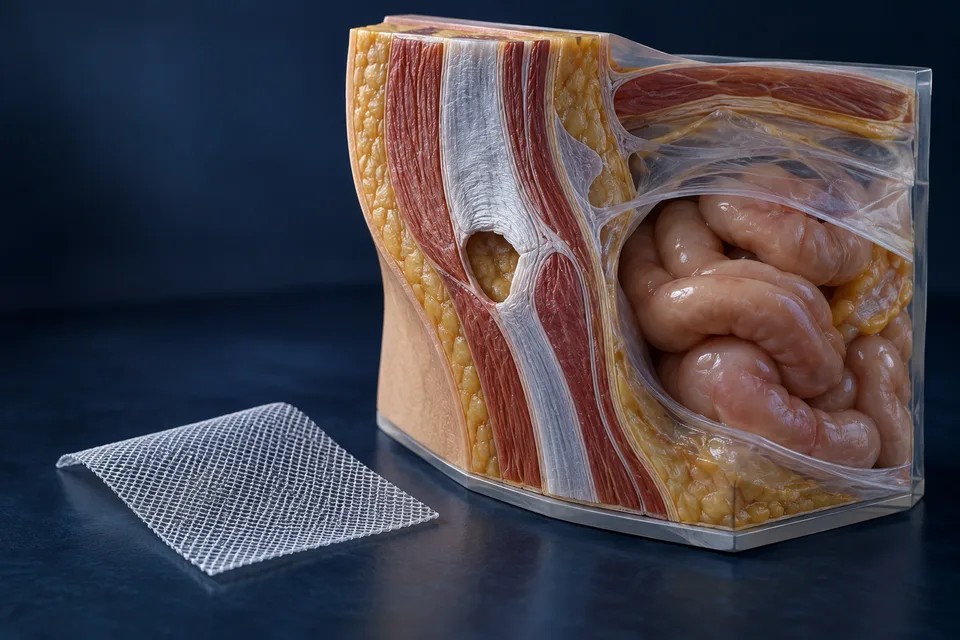
The TEP (Totally Extraperitoneal Repair) method is a laparoscopic inguinal hernia repair technique in which the surgeon works in the preperitoneal space, without intentionally entering the peritoneal cavity. After reduction of the hernia contents, a mesh is usually placed to cover the anatomical areas of appearance of inguinal hernias. It is a worthy choice, but not the only one suitable for everyone.
Through small incisions in the abdomen, the camera and instruments enter the space between the abdominal wall and the peritoneum. The surgeon prepares the groin area, repositions the contents of the hernia, and places mesh in the appropriate position. The goal is to strengthen the weak point without the extensive open incision of traditional techniques.
Why is it called "extraperitoneal"?
TEP works outside the peritoneal cavity. This limits the need for intra-abdominal manipulations, but does not mean that any complication or contact with peritoneal structures is "impossible".
INFORMATION
Which patients may be suitable?
TEP may be considered for primary unilateral or bilateral inguinal hernias and for some recurrences after previous open repair. Previous lower abdominal surgery, large scrotal hernia, specific anatomical difficulties, and other medical parameters influence the choice.
When is different access needed?
In certain cases TAPP or open repair may be more appropriate. The final choice should be discussed based on the risk of chronic discomfort, history and experience of the surgical team.
INFORMATION
TEP, TAPP or open surgery: key differences
In TEP the access is extraperitoneally, while in TAPP the entry is in the peritoneal cavity and the mesh is also placed in the preperitoneal space. Open repair approaches the groin directly. Each technique has a different risk profile and requires appropriate patient selection. Neither TEP nor TAPP is universally "the best" method.
Personalised CARE
The right treatment
starts with you.
Your investigations, history and needs guide the next step. Discuss the available options with your doctor.
Talk to the doctorINFORMATION
Preparation and day of surgery
Diagnosis is made mainly by clinical examination, with imaging when necessary. Prior to surgery, medications, anaesthetic history, and factors that may affect healing are evaluated. The operation is usually performed under general anaesthesia. After recovery from anaesthesia, pain, mobilisation and the possibility of discharge are assessed.
INFORMATION
What to expect during recovery?
Most patients start moving early, while return to work and exercise depends on the case and recovery. Swelling, bruising and local pulling may occur temporarily. Team support includes instructions for wound care, analgesia and graded activity. Neither the exit time nor the level of pain is the same for everyone.
INFORMATION
Potential risks of TEP
Potential risks include haematoma, seroma, infection, vascular or visceral injury, prolonged pain, recurrence, and mesh-related problems. If a technical difficulty occurs, the surgeon can change the surgical plan. Consent is based on clear information about benefits and limits.
Persistent severe pain, fever, increasing swelling, or symptoms of obstruction require immediate medical attention.
INFORMATION
Medical assessment and communication
Information is not a substitute for an examination and an individualised treatment plan. To evaluate and discuss options: Contact the doctor.