INFORMATION
What is an oesophagectomy?
Oesophagectomy is a major surgical procedure in which part or most of the oesophagus is removed and the food passage is restored. It mainly concerns selected patients with operable oesophageal cancer, within an organised oncological plan. It is not a treatment for every stage of the disease nor for every patient with dysphagia.
In oesophagectomy, the diseased oesophagus is removed, along with the necessary lymph nodes when there is an oncological indication. Restoring the continuity of the digestive tract is often done by creating a tube from the stomach, which is connected to the rest of the oesophagus. In special cases, other methods of restoration are used.
How does digestion change afterwards?
The new anatomy can lead to a smaller tolerable amount of food per meal, regurgitation and the need to adjust the diet. Long-term dietary support is essential.
INFORMATION
When is oesophagectomy indicated?
The indication depends on the histological diagnosis, location and staging of the tumour, as well as the general condition of the patient. Very early lesions can in certain circumstances be treated endoscopically, while other cases require chemotherapy, radiotherapy or combinations before or instead of surgery.
Multidisciplinary cancer team and perioperative treatment
For many operable cases the plan includes preoperative or perioperative anticancer therapy. The choice must result from the collaboration of a surgeon, oncologist, radiation therapist, gastroenterologist and other specialists.
INFORMATION
Diagnosis, staging and preoperative preparation
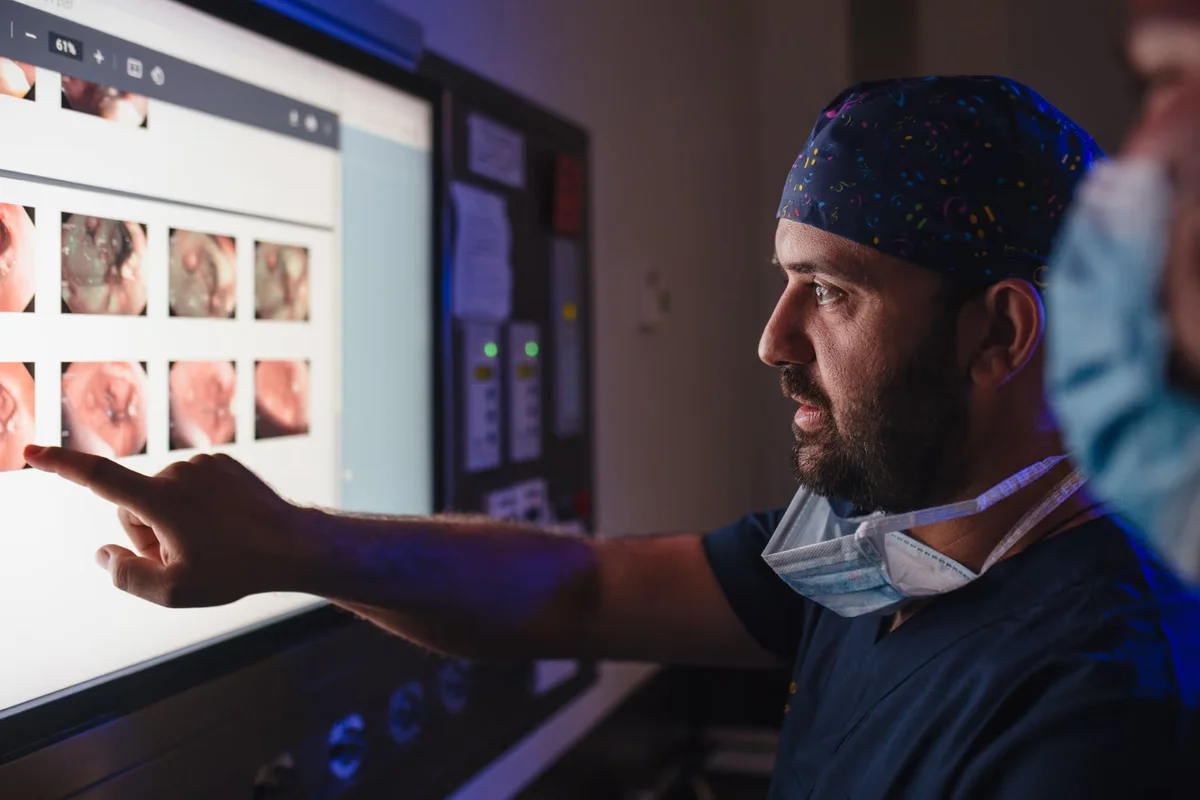
Investigations include gastroscopy with biopsy and appropriate imaging for staging, such as CT and PET/CT where indicated. Endoscopic ultrasound is used in selected patients. Heart and lung function, physical fitness and nutrition are assessed before deciding on such a major operation.
Weight loss and dysphagia may require organised nutritional support. A prehabilitation program is applied to some patients.
Personalised CARE
The right treatment
starts with you.
Your investigations, history and needs guide the next step. Discuss the available options with your doctor.
Talk to the doctor
INFORMATION
How is the operation performed?
The surgical approach can combine the abdominal and thoracic stage. There are different techniques, such as Ivor Lewis or McKeown, depending on the location of the disease and the design of the anastomosis. An open, minimally invasive or hybrid method can be used.
Gastric anastomosis
A gastric tube is often created that goes up into the chest or throat and connects to the rest of the oesophagus. Safe perfusion and healing of the anastomosis is of central importance.
What kind of team is needed?
It is a highly complex operation that requires an appropriate hospital infrastructure and an experienced multidisciplinary team.
INFORMATION
Hospitalisation, feeding and recovery
Postoperative care may include increased monitoring, respiratory physical therapy, mobilisation, and temporary nutritional support. Resumption of swallowing is based on clinical course and team protocols. Then frequent small meals, attention to regurgitation and systematic monitoring of weight are recommended.
Returning to daily activities takes time and varies depending on the extent, co-morbidities and any complications.
INFORMATION
Risks and limitations
Potential serious risks are anastomotic leak, pneumonia, respiratory failure, bleeding, infection, thromboembolic events, anastomotic stenosis, and feeding problems. Risk depends on many factors and should be discussed with clear individualised information.
After discharge, fever, shortness of breath, increasing pain, worsening dysphagia, or inability to hydrate require immediate medical evaluation.
INFORMATION
Medical assessment and communication
Information is not a substitute for an examination. All treatment options, available techniques and potential risks are discussed individually with the relevant team. Communication: Contact the doctor