INFORMATION
What is a Heller myotomy?
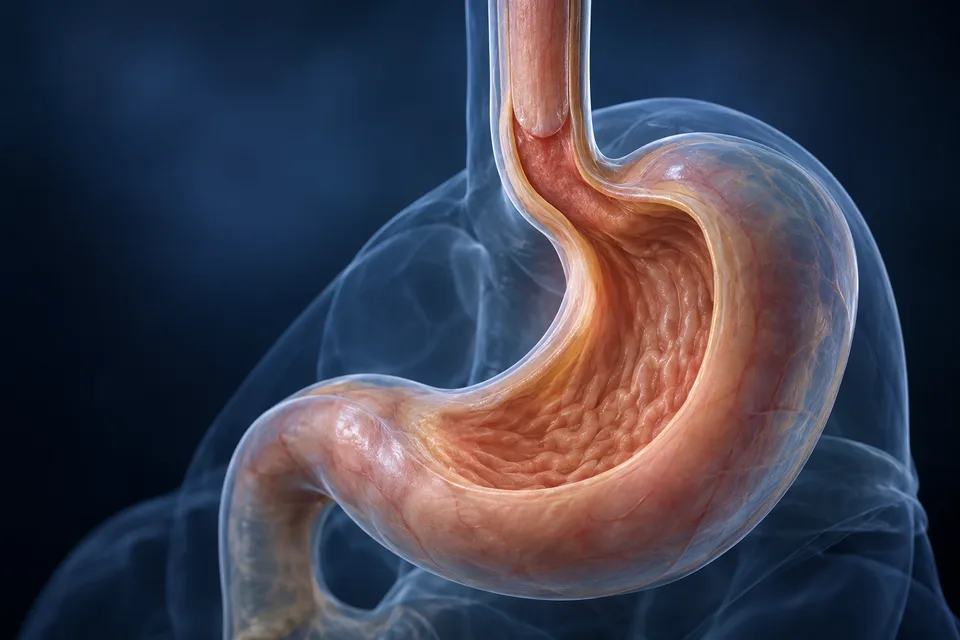
Heller myotomy is a surgical treatment for oesophageal achalasia, a motility disorder that makes it difficult for food and liquids to pass into the stomach. In myotomy, selected muscle fibres are cut in the lower part of the oesophagus and at the gastro-oesophageal junction. It is usually combined with a partial fundoplication to limit postoperative reflux.
The operation targets the hypertonic or insufficiently relaxed lower oesophageal sphincter so that food can pass more easily. Achalasia is not a simple stricture and the operation does not fully restore the normal motility of the body of the oesophagus. It mainly deals with the resistance in the area of the junction with the stomach.
It is often performed with laparoscopic access and general anaesthesia, with robotic assistance where there is an appropriate indication and experience.
INFORMATION
Which patients are suitable?
The choice of myotomy depends on the diagnosis of achalasia, subtype according to high-resolution manometry, previous treatments and health status. For type I and II achalasia, Heller myotomy, POEM, and pneumatic dilatation are documented options in appropriate cases.
Achalasia type III
In achalasia spastic type III a larger myotomy may be needed; therefore, POEM is often preferred when appropriate experience exists. Heller is not the default for every subtype.
INFORMATION
Which investigations are needed first?
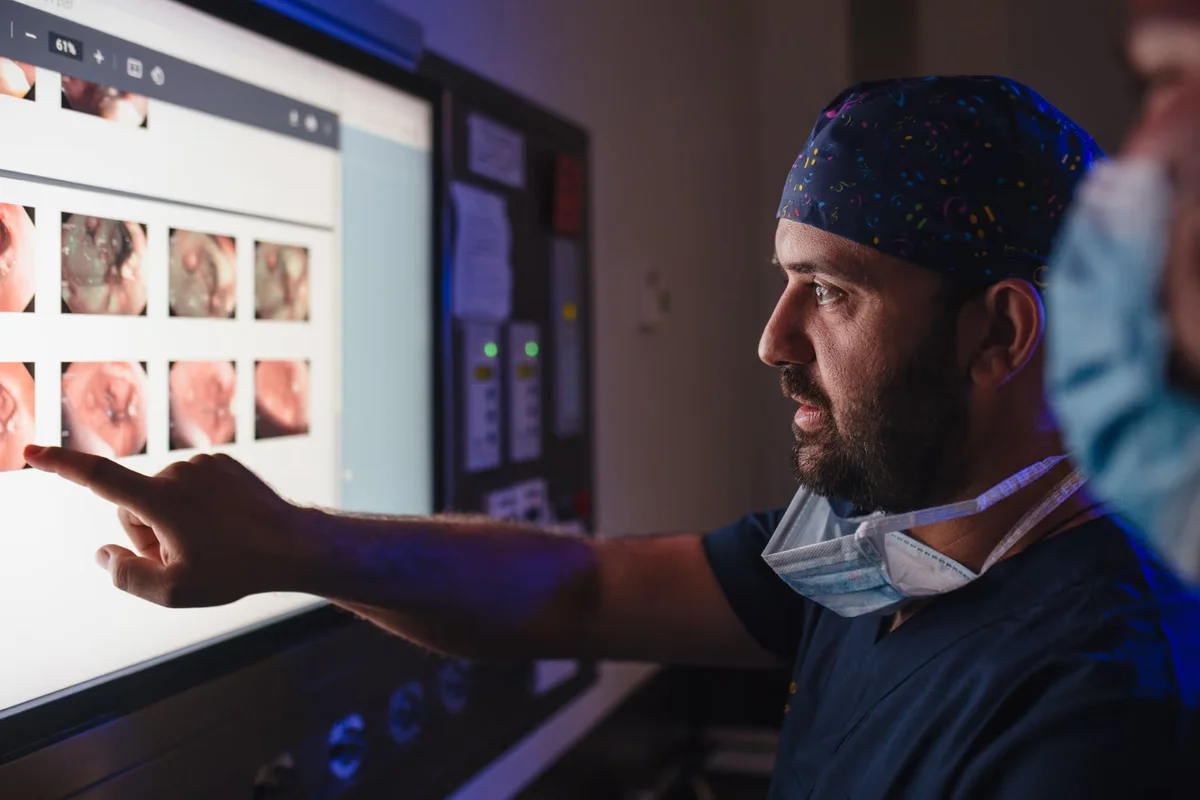
Investigation includes gastroscopy to rule out mechanical obstruction or pseudoachalasia, high-resolution manometry, and often timed barium swallow fluoroscopy. The tests show whether it is indeed achalasia and help in the choice of technique.
The preoperative discussion covers weight loss, difficulty swallowing, previous operations or dilatations, and respiratory symptoms caused by regurgitation.
Personalised CARE
The right treatment
starts with you.
Your investigations, history and needs guide the next step. Discuss the available options with your doctor.
Talk to the doctor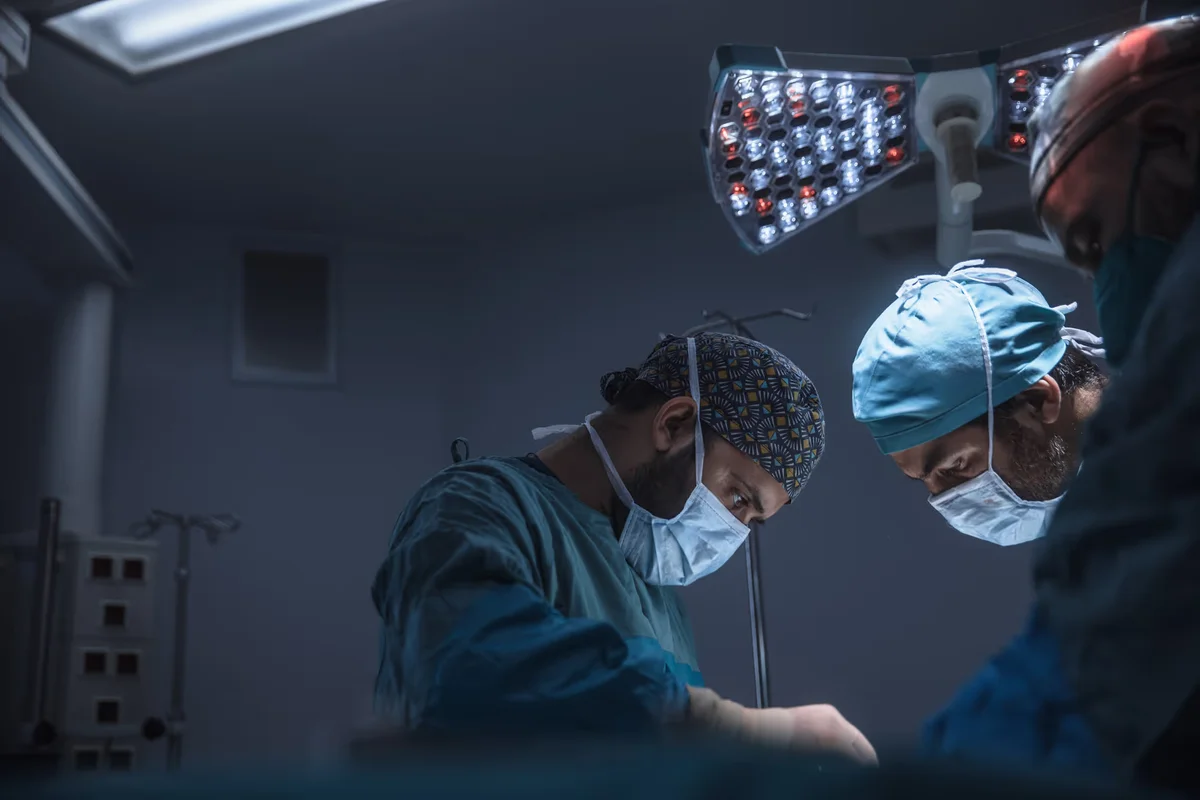
INFORMATION
How is laparoscopic or robotic myotomy performed?
Under general anaesthesia the surgeon approaches the gastro-oesophageal junction, identifies the muscle layer and performs a myotomy to an appropriate length without intentionally opening the mucosa. Its integrity is checked during the operation.
Why is a Dor or Toupet often added?
Myotomy reduces the barrier that obstructs the passage of food but may increase gastro-oesophageal reflux. Partial fundoplication helps protect against reflux without defeating the goal of the myotomy.
INFORMATION
Heller myotomy or POEM? Differences
Heller is performed through the surgical approach with the possibility of a simultaneous partial fundoplication. POEM is an endoscopic myotomy through the mouth and is not usually accompanied by a corresponding surgical antireflux intervention. Both can provide significant dysphagia relief in properly selected patients. The decision is made by a specialist team based on subtype, previous treatments and preferences.
INFORMATION
Recovery and nutrition after myotomy
After the operation, the clinical condition and any complications are checked. Feeding is gradually returned from liquids to soft foods, according to a specific protocol of the group. Improvement in swallowing may be significant, but may require adjustment or reassessment of symptoms over time.
INFORMATION
Potential risks and long-term follow-up
Possible risks are mucosal injury or perforation, bleeding, infection, reflux, persistent dysphagia, or recurrence of symptoms. The need for pharmacological acid suppression or additional intervention depends on the course. Postoperative fever, severe pain, shortness of breath, or inability to swallow fluids require immediate medical evaluation.
INFORMATION
Medical assessment and communication
Information is not a substitute for an examination. All treatment options, available techniques and potential risks are discussed individually with the relevant team. Communication: Contact the doctor