INFORMATION
What is POEM endoscopic myotomy?
POEM (Peroral Endoscopic Myotomy) is an endoscopic myotomy performed through the mouth, without abdominal incisions. The goal is to reduce the resistance of the gastro-oesophageal junction in patients with achalasia so that food and fluids can pass more easily. It is one of the available treatments along with surgical Heller myotomy and pneumatic dilatation, with special importance in spastic type III.
This is a therapeutic endoscopy technique. Through a flexible endoscope, a small entry is made into the oesophageal mucosa, a submucosal space is prepared, and the muscle fibres that block the passage to the stomach are divided. Then the entrance to the mucosa is closed.
POEM does not fully restore oesophageal motility. It aims at the functional decompression of the area causing dysphagia.
INFORMATION
When is POEM selected in achalasia?
The AGA recommendations indicate that POEM, laparoscopic Heller, and pneumatic dilatation are effective options for type I and II achalasia. For type III achalasia, the possibility of more extensive myotomy makes POEM often the preferred option in specialised centres.
The choice depends on the subtype, severity of dysphagia, anatomy, previous treatments, experience of the centre and patient preference.
When is it not automatically the best choice?
Difficulty swallowing is not enough to choose POEM. Strictures or malignancies mimicking achalasia should be ruled out and alternatives discussed, particularly when reflux is a major concern.
INFORMATION
Diagnostic testing before POEM
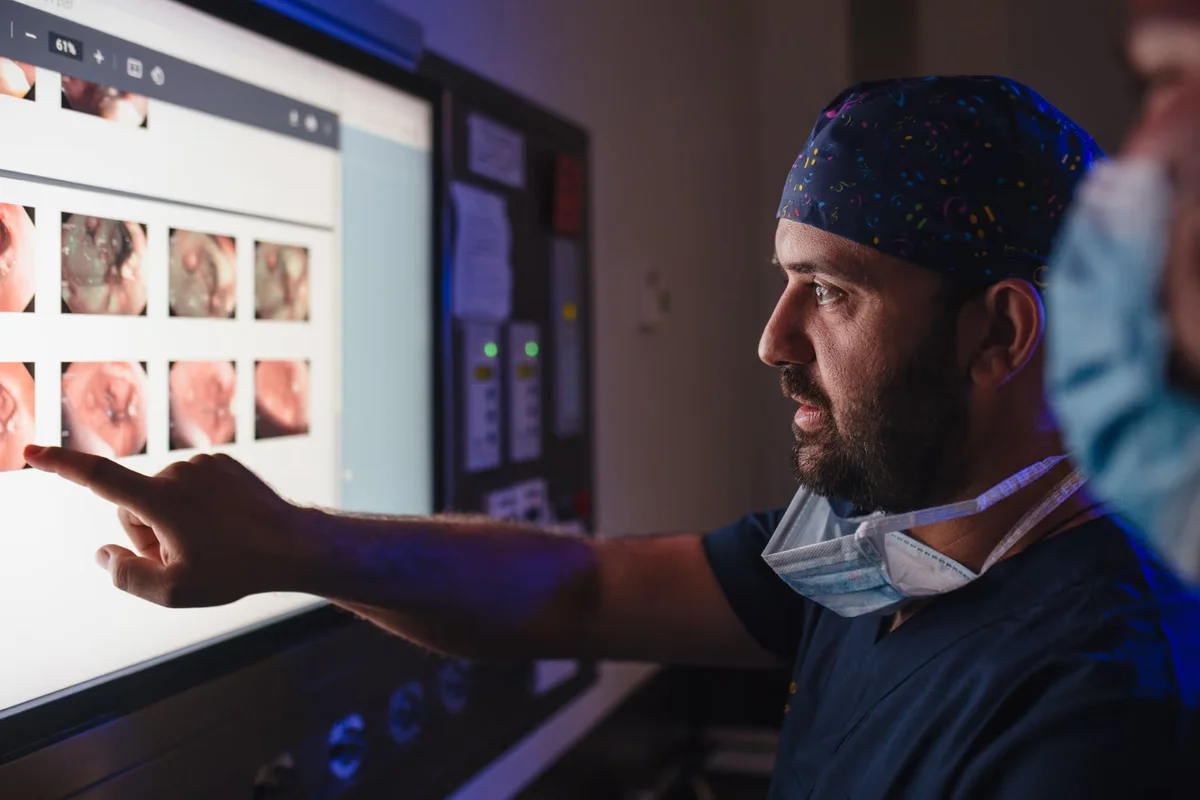
The comprehensive investigation includes gastroscopy, high-resolution manometry, and usually a barium radiological study (often timed). Accurate diagnosis and classification of achalasia according to the Chicago Classification are decisive for the choice and length of myotomy.
Weight loss, regurgitation, aspiration, previous dilatations or myotomies, and overall anaesthetic risk are also assessed.
Personalised CARE
The right treatment
starts with you.
Your investigations, history and needs guide the next step. Discuss the available options with your doctor.
Talk to the doctor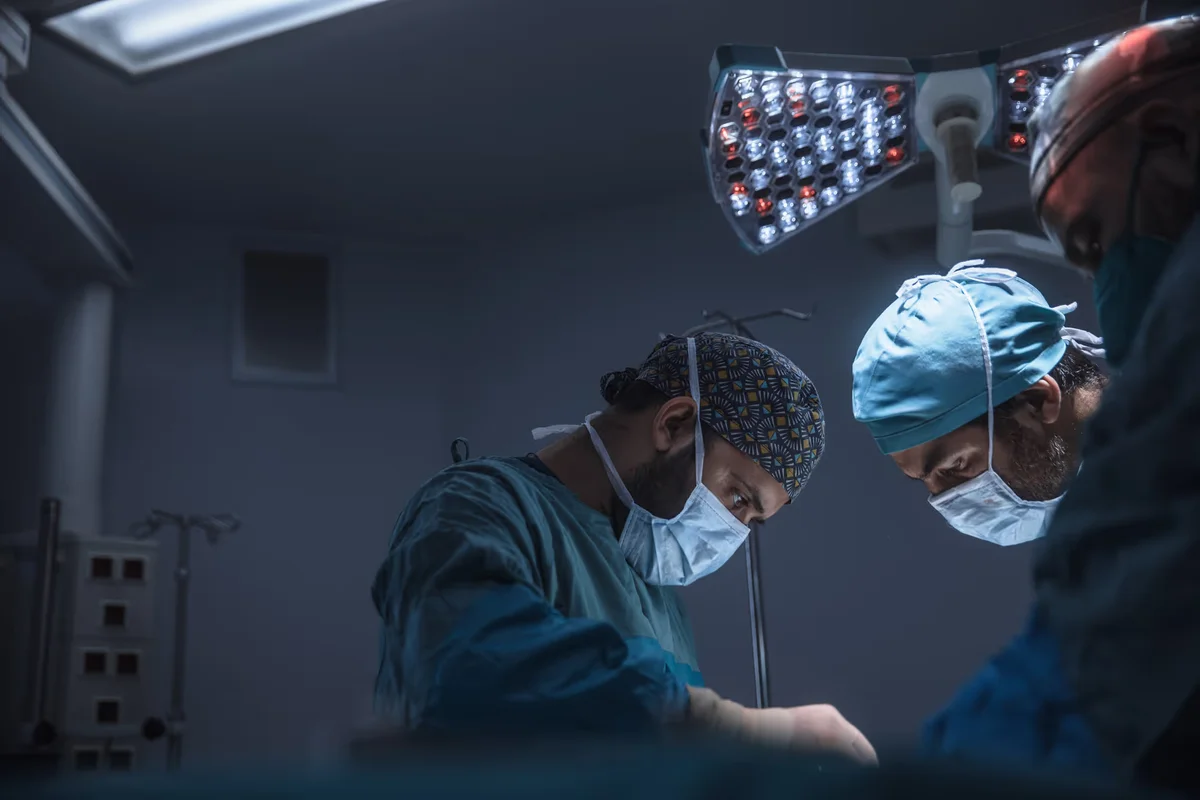
INFORMATION
How is endoscopic myotomy performed?
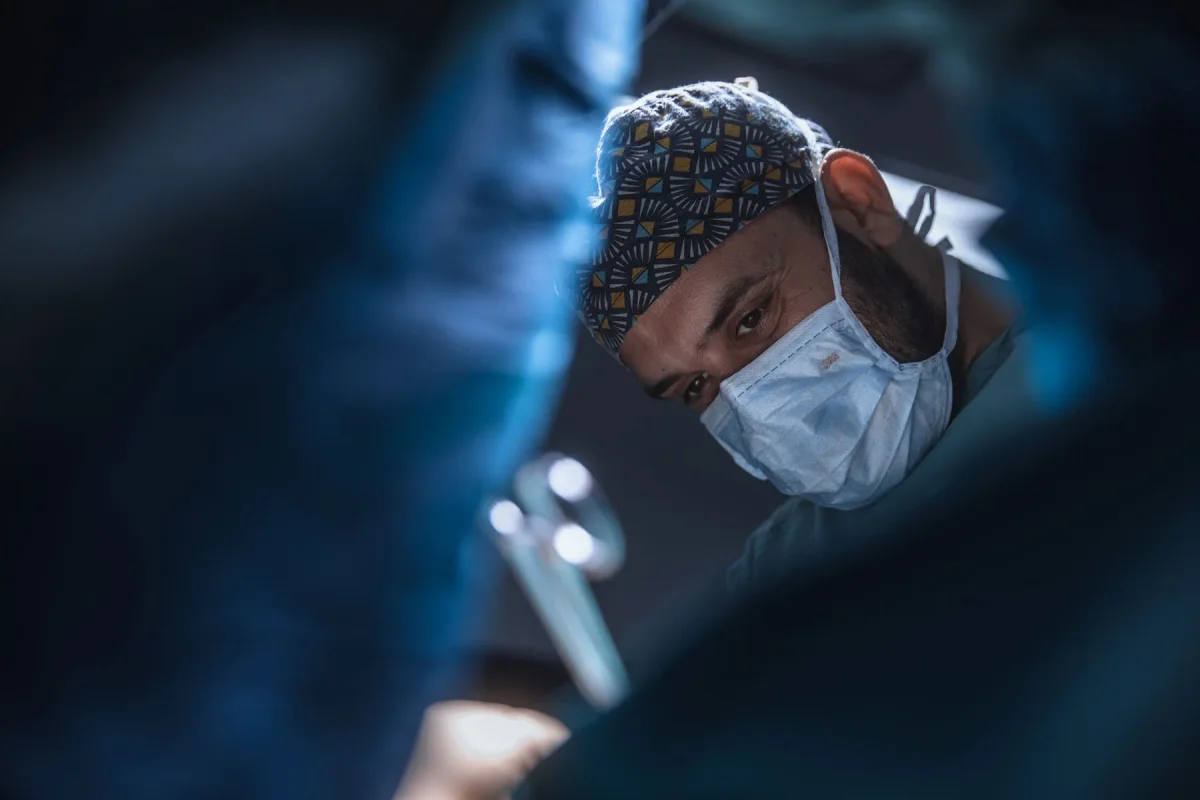
The operation is performed under anaesthesia by a specialised endoscopic team. The submucosal tunnel is created, targeted myotomy is performed, and mucosal integrity is checked. The entrance is closed with suitable endoscopic clips or similar means.
Because the technique is specialised, its availability should be confirmed in a centre with appropriate training, infrastructure, and the ability to manage complications.
Why does myotomy length matter?
In spastic forms of achalasia the abnormal contraction may extend above the lower oesophageal sphincter. Endoscopic access allows adjustment of the myotomy according to the findings.
INFORMATION
POEM or Heller? What is the difference?
Heller myotomy surgery is usually performed laparoscopically and is often accompanied by partial fundoplication (Dor or Toupet), which helps limit reflux. POEM is performed transorally and usually does not involve concurrent antireflux surgery.
Both are highly effective in appropriate cases, but after POEM there is an increased risk of gastro-oesophageal reflux, which may require antisecretory therapy or monitoring.
INFORMATION
Recovery and nutrition after POEM
Hospitalisation and follow-up after surgery depend on the centre's protocol and clinical course. Feeding is gradually reintroduced with instructions, usually starting with liquids and progressing to soft foods. Assessment of dysphagia and reflux continues at follow-up visits.
INFORMATION
Risks, reflux and follow-up
Possible complications are mucosal injury, bleeding, leakage, infection, complications from anaesthesia, gas in the peritoneal or mediastinal spaces, and persistent or recurrent dysphagia. Reflux after POEM is an especially important issue, even without typical symptoms.
Persistent inability to swallow fluids, fever, significant chest pain, or shortness of breath require urgent evaluation.
INFORMATION
Contact and individual advice
The information is general and is not a substitute for medical advice. For personalised advice and discussion of treatment options: Contact the doctor