INFORMATION
What is a colectomy?
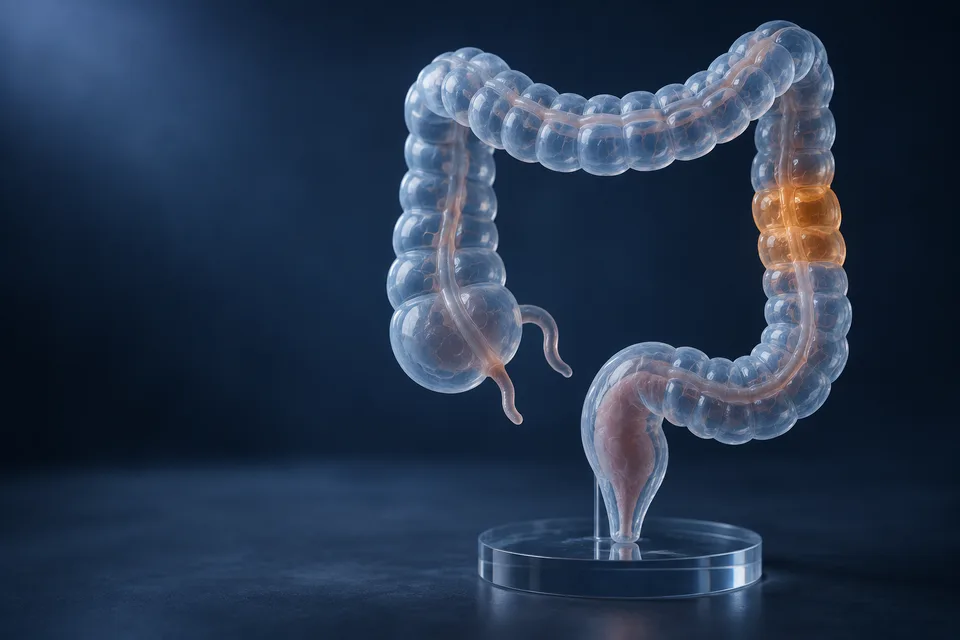
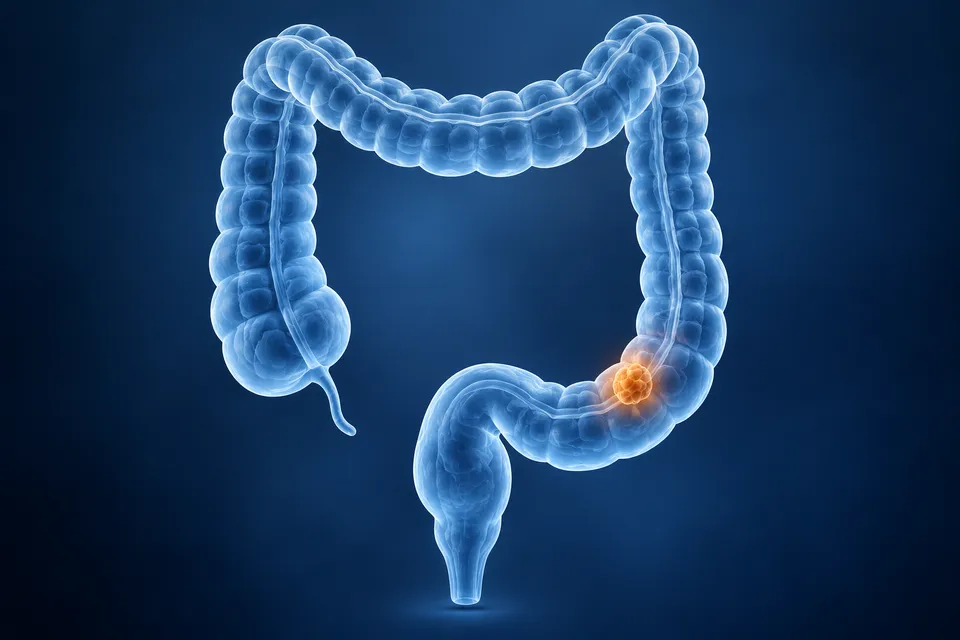
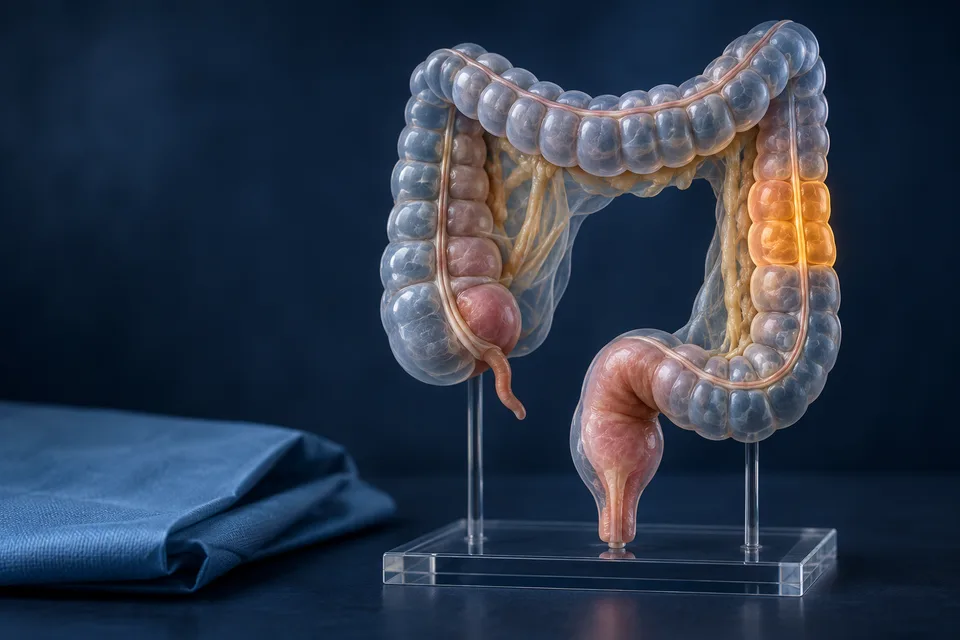
A colectomy is the removal of part or, rarely, the entire colon for a condition with a surgical indication. It may be part of the treatment of colon cancer, complicated diverticulitis or other selected diseases. The extent of removal and the need for anastomosis or stoma are decided based on the diagnosis, anatomy and patient safety.
The term describes the resection of part of the colon. It's not just about cancer and it doesn't always mean removing the entire bowel. After resection, where safe, the remaining segments are connected by anastomosis.
Right and left hemicolectomy
The corresponding part of the colon, with the necessary vessels and lymph nodes, is removed when there is cancer. The choice is determined by the location of the lesion.
Sigmoidectomy or other segmental resection
It may be indicated in some cases of complicated or recurrent diverticulitis and in sigmoid lesions. The mere presence of diverticula is not an indication for surgery.
Total colectomy
It refers to special indications in which a much larger part or the entire colon needs to be removed. The decision is influenced by the diagnosis and the future function of the digestive tract.
INFORMATION
When is colon surgery necessary?
Surgical treatment may be needed in operable cancer, in large lesions that cannot be safely removed endoscopically, in certain inflammatory diseases, or in complicated diverticulitis. The diagnostic pathway and options are different for each condition.
Colorectal cancer
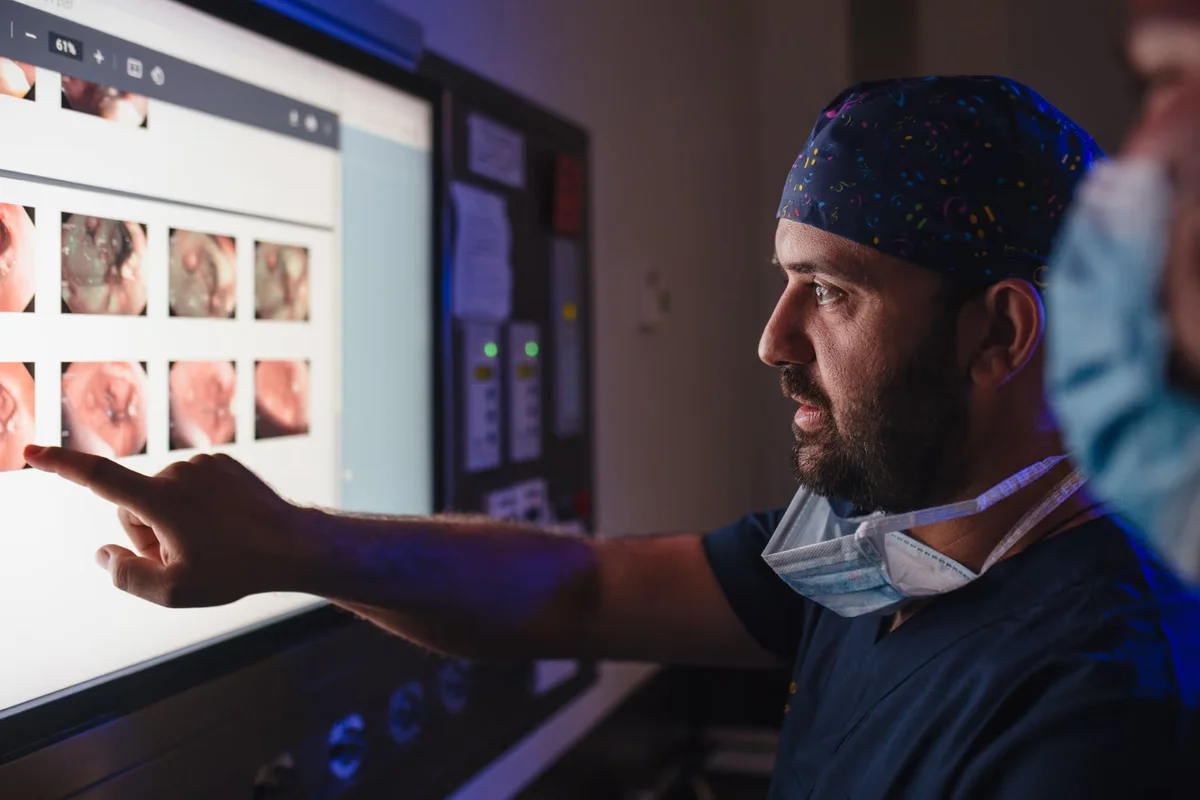
They are preceded by colonoscopy with histological diagnosis and staging with imaging. In oncological colectomy the resection usually includes the associated lymph node tissue and is discussed in the context of an overall oncological plan.
Diverticulitis
Not every episode requires surgery. The indication is individualised based on complications, recurrences, severity of symptoms and quality of life.
INFORMATION
Preoperative assessment and preparation
Endoscopic, imaging and laboratory tests, nutritional status, any anaemia and medications are studied. Bowel preparation and antibiotic use are determined by team protocol and type of surgery. When there is an increased possibility of a stoma, it is useful to have advance information and appropriate preparation.

Personalised CARE
The right treatment
starts with you.
Your investigations, history and needs guide the next step. Discuss the available options with your doctor.
Talk to the doctor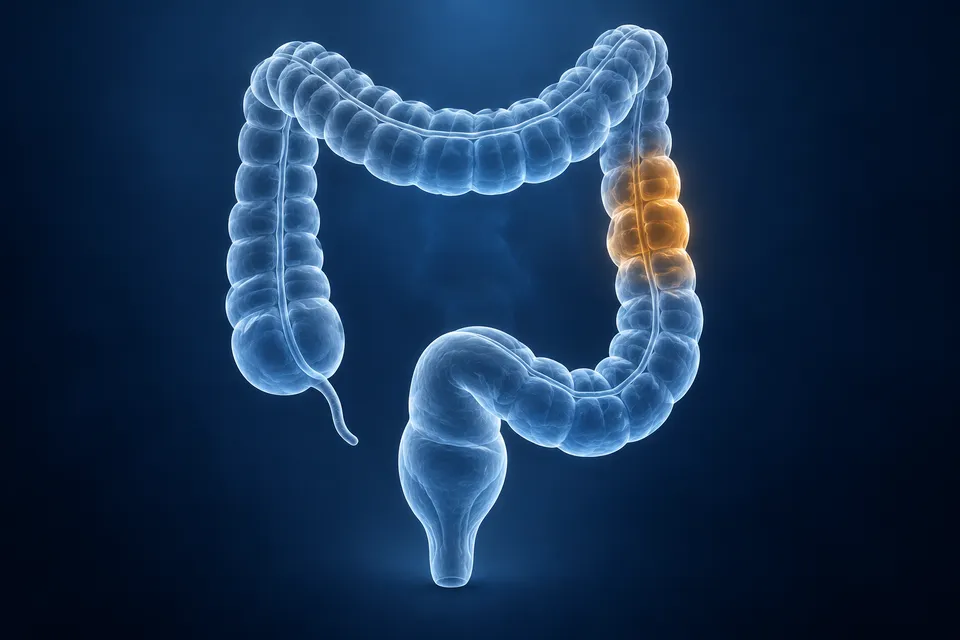
INFORMATION
How is a colectomy performed?
The surgeon isolates and removes the intended portion, ensuring perfusion and safe tissue handling. The operation can be performed with open, laparoscopic or robotic access. The method is chosen depending on the disease, previous operations, urgent or planned indication and the experience of the team.
What is anastomosis?
The two healthy ends of the bowel are surgically joined to restore the passage of its contents. The risk of an anastomotic leak is assessed.
When is a stoma needed?
A stoma is the exit of part of the intestine into the abdominal wall. Not required in all colectomies; may be temporary or permanent, depending on findings and safety of anastomosis.
INFORMATION
Recovery after colectomy
Early recovery principles (ERAS) such as early mobilisation, individualised analgesia and progressive feeding are applied to appropriate patients. Bowel function often takes time to stabilise. Hospitalisation and return to work depend on the operation, co-morbidities and any complications.
Once a stoma has been created, training is provided to care for it. The histological result determines additional oncological treatment and follow-up.
ATTENTION TO THE SYMPTOMS
Possible risks and postoperative warning signs
Risks include bleeding, infection, ileus, anastomotic leak, thrombosis, and possible need for a new operation. Safety comes before the goal of getting out of the hospital faster. Fever, increasing abdominal pain, persistent vomiting, or shortness of breath after discharge need immediate evaluation.
INFORMATION
Medical assessment and communication
Informational content is not a substitute for an individualised medical evaluation. The type of operation and recovery are determined by the surgical team. Schedule a visit: Contact the doctor