INFORMATION
About the condition
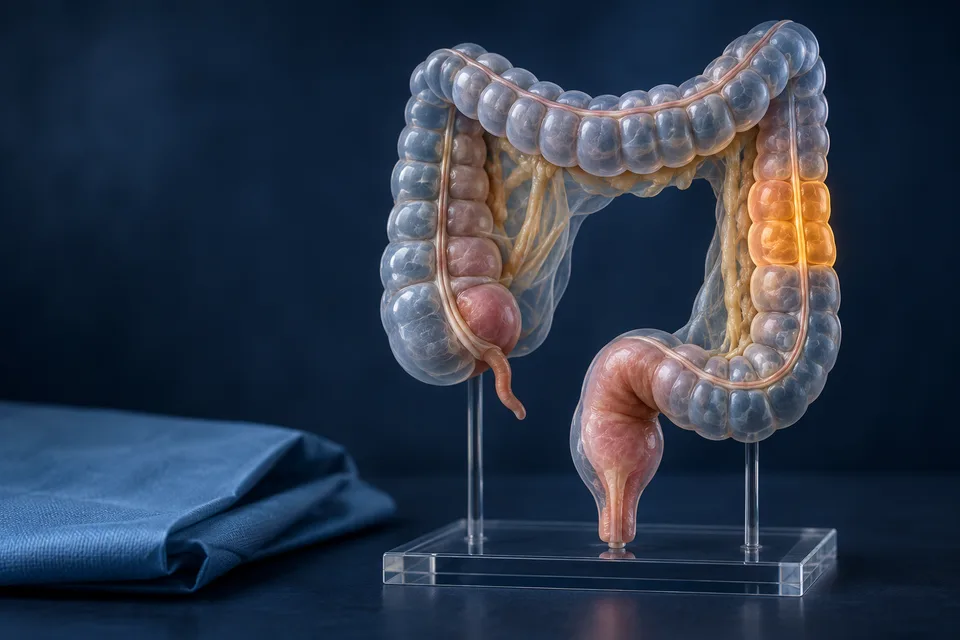
The bowel is often affected by benign conditions: diverticula that may become inflamed (diverticulitis), polyps found during colonoscopy and inflammatory diseases. Most are treated conservatively, but complicated or recurrent forms require surgical assessment. Accurate diagnosis is essential: symptoms such as altered bowel habits or blood in the stool do not, on their own, distinguish benign disease from something more serious (see Colorectal Cancer). Colonoscopy provides the answer.
INFORMATION
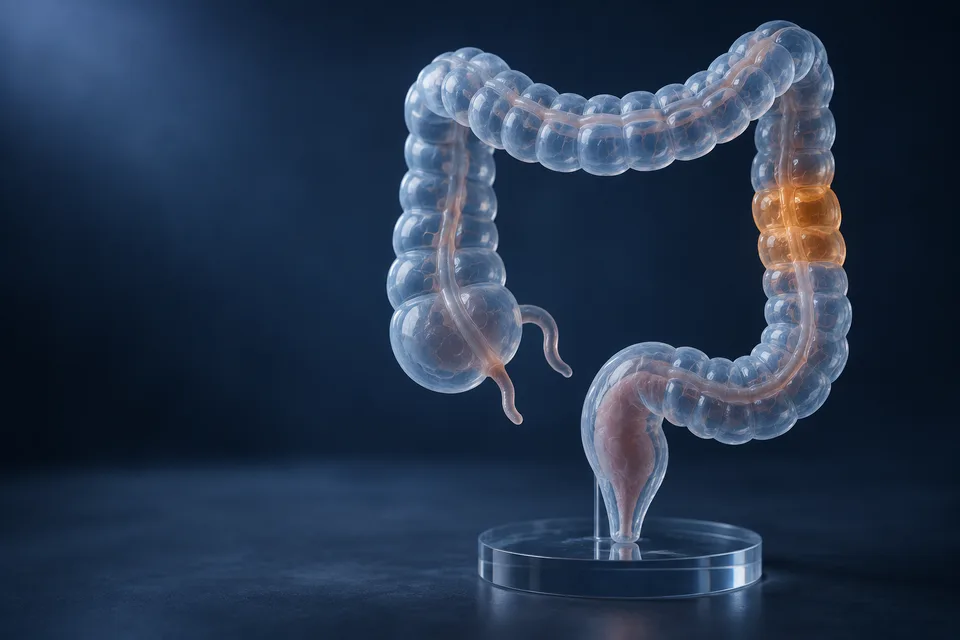
What are benign bowel conditions?
The three main categories, each discussed in its own section below:
Diverticula and diverticulitis — small pouches in the large bowel that may become inflamed.
Polyps — usually benign growths of the lining; certain types are removed as a preventive measure.
Inflammatory diseases — ulcerative colitis and Crohn’s disease.
Diverticula are common and, in most cases, never cause problems.
Polyps are removed — this is why colonoscopy helps prevent cancer.
Surgery only when indicated — most benign conditions are treated conservatively.
INFORMATION
Bowel diverticula & diverticulitis
What are diverticula?
Diverticula are small pouches that form in the wall of the large bowel, most often in the sigmoid colon. They are very common, particularly after the age of 50, and are associated with chronically increased pressure within the bowel, linked to a low-fibre diet and constipation. The presence of diverticula alone (diverticulosis) is not a disease — most people with diverticula never develop symptoms.
What is diverticulitis?
Diverticulitis occurs when a diverticulum becomes inflamed, causing pain, usually in the lower left abdomen, fever and altered bowel habits. Most episodes are uncomplicated and managed conservatively with dietary measures, monitoring and antibiotics where needed.
When is surgery considered?
Complicated diverticulitis involving an abscess, perforation, narrowing or fistula.
Recurrent episodes that substantially affect quality of life. The decision is individualised, rather than automatic after a particular number of episodes.
In suitable cases, removal of the affected segment, usually a sigmoid colectomy, is performed laparoscopically or robotically as a planned operation during a settled period, away from active inflammation.

Personalised CARE
The right treatment
starts with you.
Your investigations, history and needs guide the next step. Discuss the available options with your doctor.
Talk to the doctor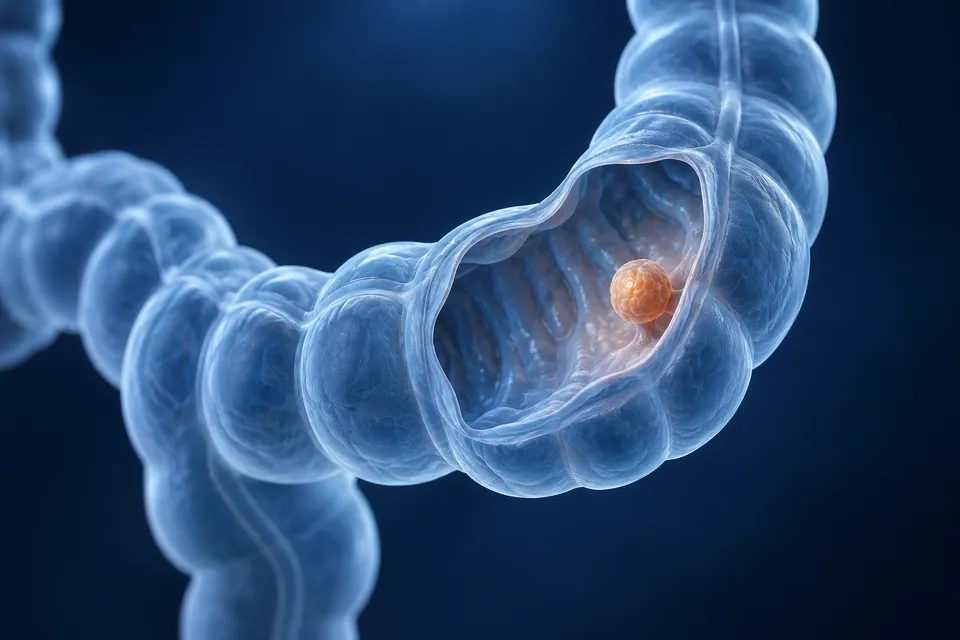
INFORMATION
Bowel polyps
Polyps are small growths of the bowel lining. They usually cause no symptoms and are found during colonoscopy. Most are benign, but some types, called adenomas, can develop into cancer over time.
This is why the principle is straightforward: polyps are removed, overwhelmingly by endoscopic means during colonoscopy itself. Surgery is needed less often: for very large polyps that cannot safely be removed endoscopically, or when the histological findings require it.
This progression from a polyp to possible cancer is why screening saves lives. For more information about colorectal cancer: [→ Read more]
INFORMATION
Inflammatory bowel disease
Ulcerative colitis and Crohn’s disease are chronic inflammatory conditions primarily treated with medication by a gastroenterologist. Surgery has a role in selected cases: complications such as strictures, fistulas or toxic megacolon, failure to respond to medication, or dysplasia in long-standing disease. Planning always involves close cooperation between surgeon and gastroenterologist, aiming to preserve as much functioning bowel as possible.
ATTENTION TO THE SYMPTOMS
When should they be investigated? Points you should not ignore
Many bowel conditions develop silently or cause mild symptoms attributed to a ‘sensitive bowel’. Signs that require prompt medical assessment include:
Changes in bowel habits, such as alternating diarrhoea and constipation
Blood in the stool
Persistent abdominal pain
Unexplained anaemia
A feeling of incomplete emptying
Even without symptoms, screening colonoscopy is recommended from the age of 50, and earlier for people with a family history.
INFORMATION
Could it be something more serious?
None of these symptoms can be interpreted without investigation: the same signs may be caused by diverticula, haemorrhoids or cancer. For information about colorectal cancer, including symptoms, diagnosis, staging and surgical treatment (colectomy), see the separate detailed page:
→ Colorectal Cancer: Symptoms, Diagnosis & Treatment
A reassuring point: most bowel findings and symptoms turn out to be benign. Investigations are undertaken to rule out serious disease, rather than because it is already known to be present.
INFORMATION THAT MATTERS
Benefits of minimally invasive treatment
Where indicated, laparoscopic or robotic surgery offers significant advantages over open surgery:
Postoperative pain is usually minimal
Eating resumes sooner
The likelihood of new adhesions and future bowel obstruction is significantly lower
The risk of an incisional hernia in the abdominal wall is significantly reduced
A short hospital stay using enhanced recovery protocols (Fast Track Surgery)
At the same time, preserving normal bowel function is a primary goal of treatment planning, with the patient’s quality of life central to the decision.
THE PROCEDURE
How is the evaluation done? Step by step
Medical history — bowel habits, symptoms and family history of cancer or polyps.
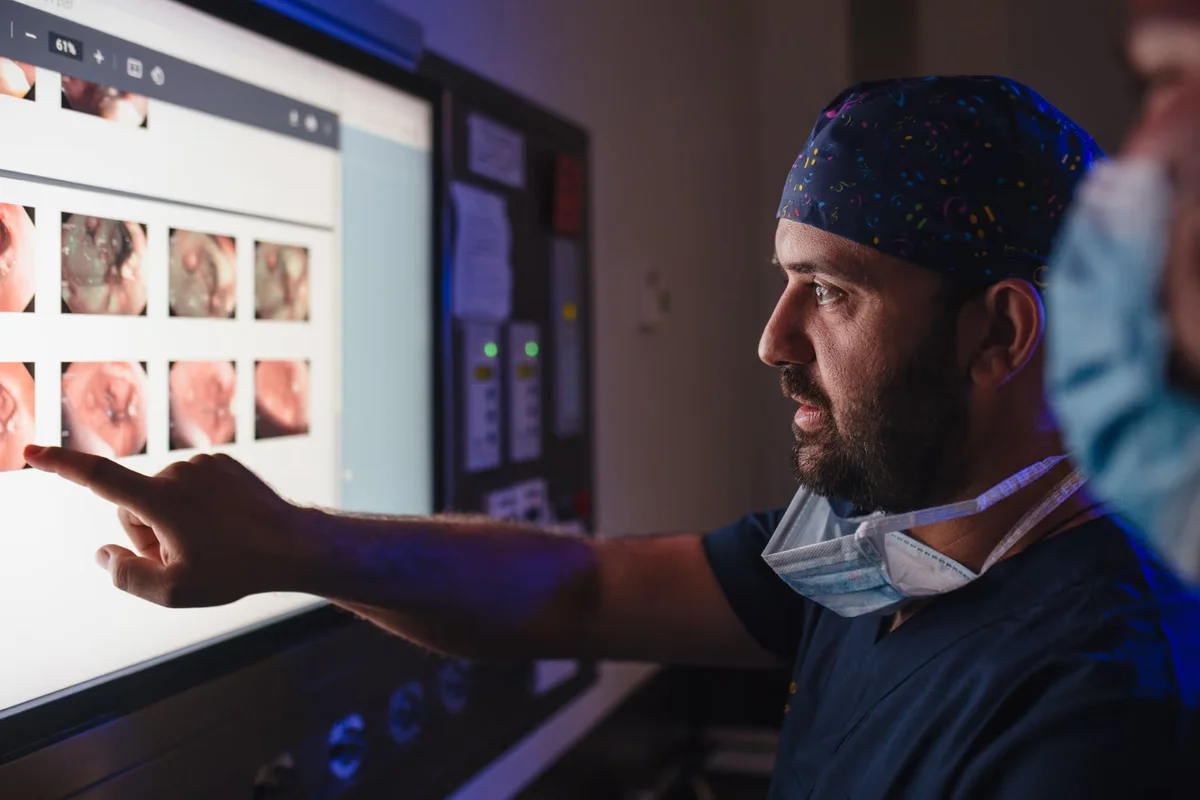
Colonoscopy — the investigation of choice: it identifies abnormalities, allows biopsies and often permits polyp removal in the same session. Note: in acute diverticulitis, CT is the main investigation during the acute phase; colonoscopy is postponed until the inflammation has settled.
CT or MRI, depending on the findings — to complete the assessment.
Treatment planning — conservative management, endoscopic removal or surgery.
If colonoscopy or biopsy confirms cancer, continue to the page: [→ Read more] (staging, multidisciplinary cancer meeting and treatment plan).
TREATMENT OPTIONS
Treatment options
Conservative treatment
Benign conditions such as uncomplicated diverticulitis or inflammatory bowel disease are often managed medically or conservatively. Surgery is reserved for complications or recurrence, in collaboration with a gastroenterologist.
Endoscopic removal
Most polyps are removed during colonoscopy, without surgery.
Surgical treatment — laparoscopic or robotic
Where indicated, including complicated or recurrent diverticulitis, complications of inflammatory bowel disease or polyps that cannot be removed endoscopically, the affected segment is removed using minimally invasive techniques without large incisions. Enhanced recovery protocols include early mobilisation and eating, with a short hospital stay of 3 days.
INFORMATION
What to expect at your first appointment
Step 1 — Assessing bowel function: we discuss changes in your bowel habits, any discomfort and your family history.
Step 2 — Reviewing imaging and biopsies: we review colonoscopy and CT/MRI findings and explain clearly what they show.
Step 3 — An individual treatment plan: we explain treatment options in detail and, where indicated, the minimally invasive procedure, its benefits and potential risks.
Useful to have with you
Colonoscopy report and biopsy results
CT or MRI images and report, if performed
Recent blood tests, particularly full blood count and ferritin if anaemia is present
List of medications and supplements
List of allergies
Reports from other doctors, such as your gastroenterologist
History of hospital admissions or operations
THE PROCEDURE
Diagnosis and preparation
Diagnostic assessment, described in section 10, answers three main questions:
Is there a structural abnormality in the bowel, and is it benign or malignant?
Where is the condition located, and how extensive is it?
Is surgery or endoscopic removal needed, or is conservative treatment sufficient?
Preparing for assessment: gather your tests in chronological order, including the actual imaging files, not just the reports.
If surgery is planned, preoperative assessment includes blood tests, cardiac and anaesthetic assessment, bowel preparation instructions where needed, and advice about stopping any medicines, such as anticoagulants, only as directed.