INFORMATION
About the condition
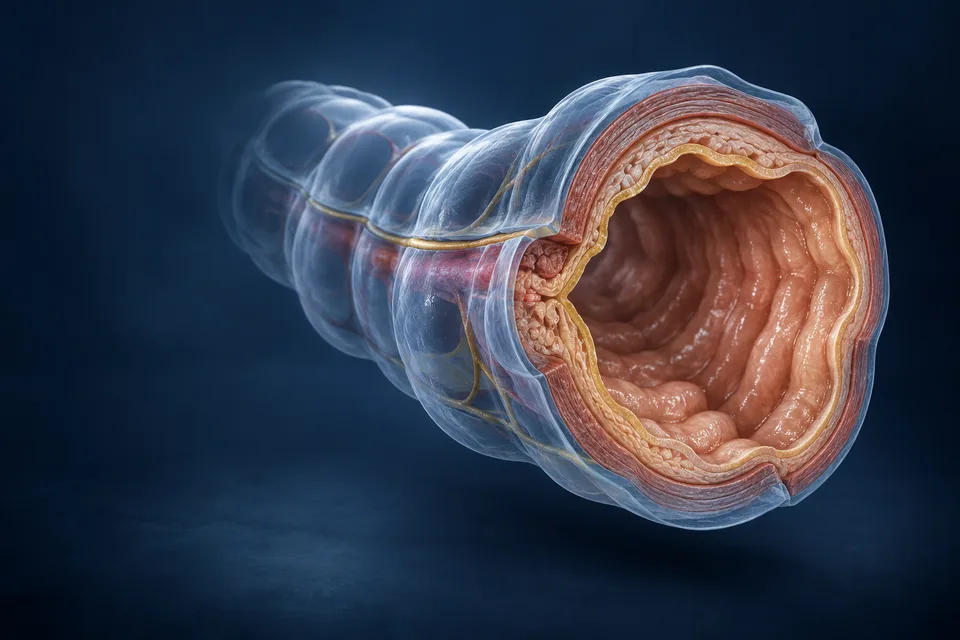
Anal conditions such as haemorrhoids, fissures and fistulas are common problems affecting many patients. They cause pain, bleeding during bowel movements, itching or local swelling. Delaying assessment not only prolongs discomfort but often makes the problems more complex and harder to treat. Treatment is generally simpler in the early stages.
INFORMATION
What are the most common anal conditions?
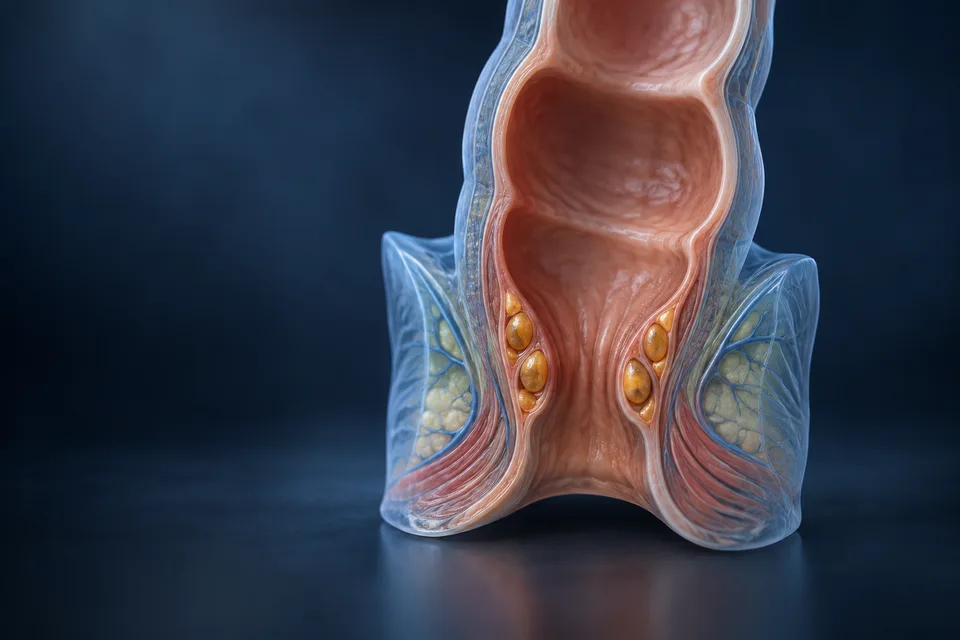
Haemorrhoids
Enlarged vascular cushions around the anus, internal or external, which may cause bleeding during bowel movements, itching, heaviness or pain, particularly when thrombosed.
Anal fissure
A small tear in the skin at the anal opening, typically causing severe pain during and after bowel movements, often with slight bleeding.
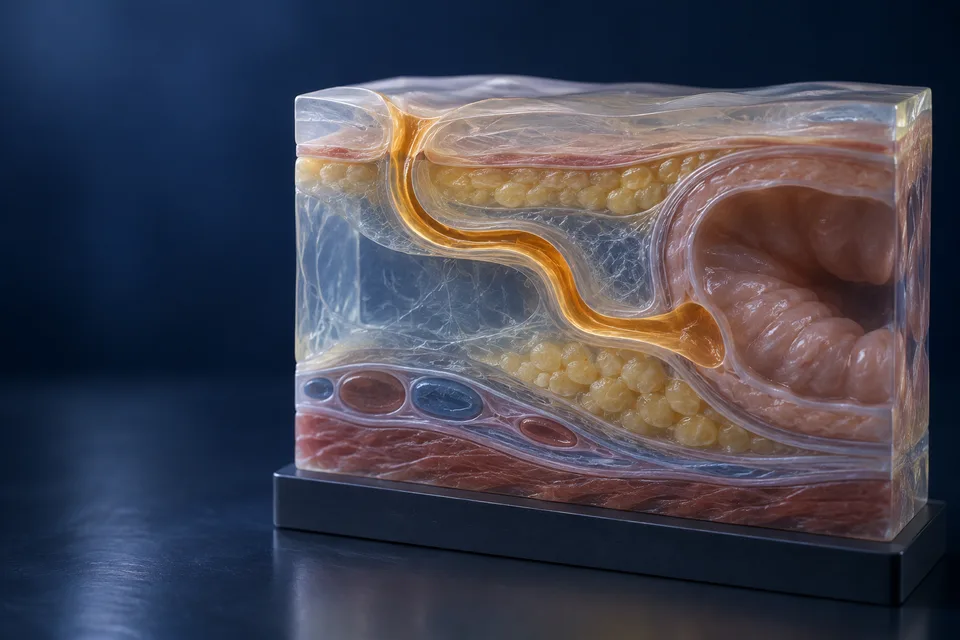
Anal fistula
An abnormal connection between the anal canal and the skin around the anus, usually following a perianal abscess. It causes discharge, local irritation or recurrent inflammation and generally requires surgery.
ATTENTION TO THE SYMPTOMS
Symptoms you should not ignore
Anal pain, particularly during or after bowel movements
Blood during bowel movements or on toilet paper
Itching or irritation in the area
Local swelling or a palpable lump
Discharge or repeated local inflammation
Rectal bleeding is often attributed to haemorrhoids but can also be caused by other bowel conditions. It should not be ignored or automatically attributed to haemorrhoids without medical assessment, particularly when persistent, accompanied by a change in bowel habits or occurring at an older age.

Personalised CARE
The right treatment
starts with you.
Your investigations, history and needs guide the next step. Discuss the available options with your doctor.
Talk to the doctorINFORMATION
Who is affected?
Anal conditions occur more frequently in:
People with a sedentary lifestyle
People with chronic constipation or significant straining during bowel movements
Women during or after pregnancy
People with high stress levels and a diet low in fibre
Developing these conditions does not imply neglect and is nothing to be ashamed of — they are among the most common benign conditions and are treated more effectively when assessed early.
INFORMATION THAT MATTERS
Advantages of early treatment
In early stages, treatment is simpler and less painful — as the condition progresses, it becomes more complex
Conservative measures may be sufficient in early cases — not every case needs a procedure
Where a procedure is needed, minimally invasive laser and ultrasound techniques may reduce bleeding, postoperative pain and recurrence in appropriately selected patients
Early exclusion of other bowel conditions when bleeding is present
THE PROCEDURE
How is the evaluation done? Step by step
Medical history — Symptoms such as pain, bleeding and itching, their duration and bowel habits.
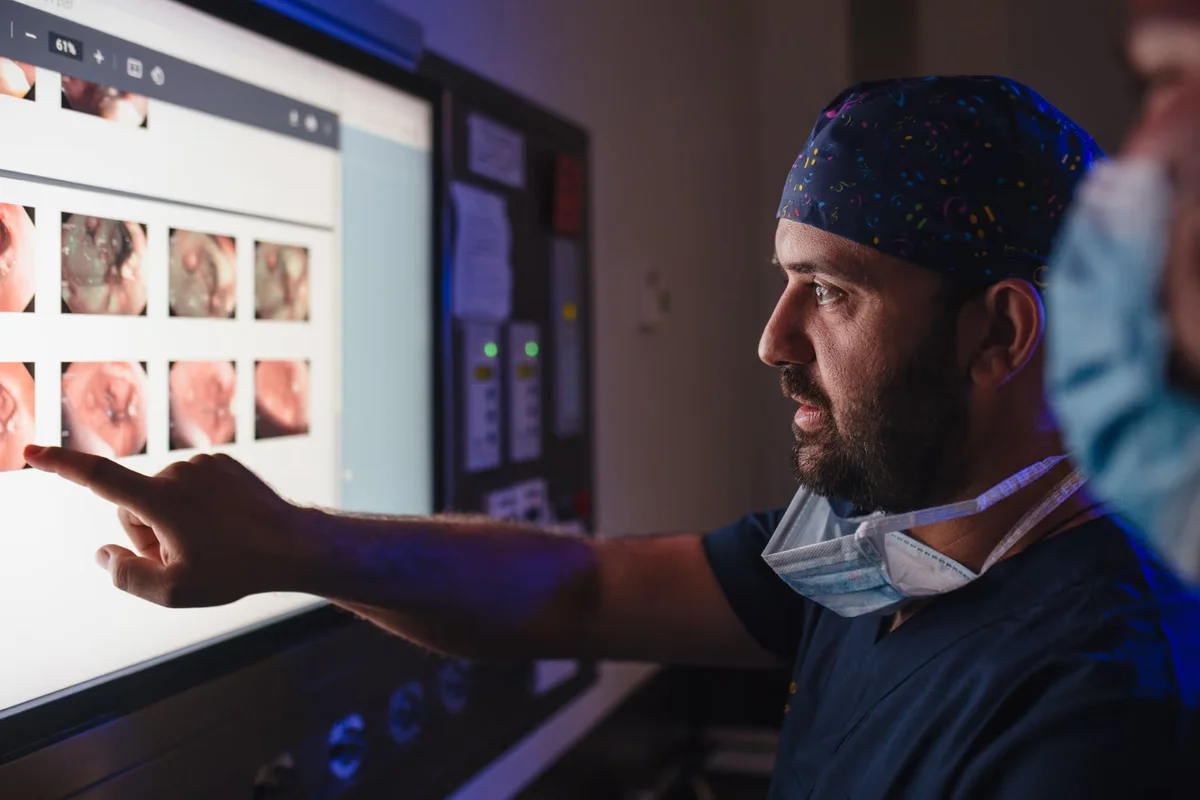
Clinical examination — Careful inspection and, where needed, proctoscopy in the consulting room. The procedure is brief, with the patient’s comfort and privacy as the priority.
Further investigation in selected cases — Colonoscopy may be recommended with a gastroenterologist, particularly when other bowel conditions need to be excluded.
Treatment planning — Individualised conservative or procedural treatment.
TREATMENT OPTIONS
Treatment options
The anal region requires specialist care. The aim is the best possible outcome with the least possible discomfort for the patient.
Conservative treatment where appropriate
In early stages, measures such as managing constipation, dietary fibre, adequate hydration and topical treatment may relieve symptoms. Their suitability is assessed individually.
Minimally invasive techniques
Where a procedure is indicated, modern technology such as laser and ultrasound is used. These techniques may reduce bleeding, postoperative pain and recurrence in appropriately selected patients.
Conventional surgical methods
Established surgical techniques are used where medically necessary. The method is selected according to the findings, stage of the condition and the patient’s needs.
Hospital stay
In most cases, patients are discharged on the same day.
INFORMATION
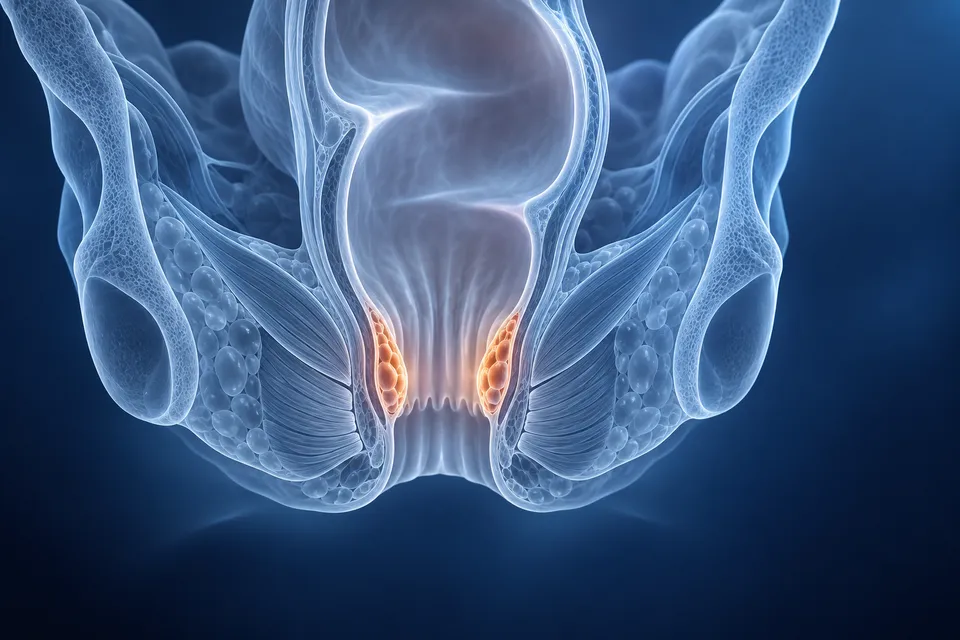
How haemorrhoids are treated
Haemorrhoid treatment follows a stepwise approach, starting with simple measures and progressing only as needed:
Conservative measures — In early stages: fibre and hydration, avoiding straining during bowel movements, topical preparations and sitz baths, and phlebotonic medicines where appropriate. Many patients improve with these measures alone.
Minimally invasive outpatient/endoscopic methods — For persistent internal haemorrhoids: rubber band ligation or other techniques that interrupt blood supply to the haemorrhoids without conventional surgery.
Surgical haemorrhoidectomy — For advanced grade III–IV, prolapsing or recurrent haemorrhoids, definitive treatment is haemorrhoidectomy: removal of the haemorrhoidal tissue. Modern techniques aim to limit postoperative pain, with a short hospital stay and clear recovery instructions.
The appropriate treatment level is determined by haemorrhoid grade, symptoms and clinical examination, rather than a general rule. Crucially, bleeding is never attributed to haemorrhoids without examination — more serious causes are excluded first.
INFORMATION
What to expect at your first appointment
Step 1 — Medical history: We listen carefully to your concerns and record symptoms such as pain, bleeding and itching, together with your history.
Step 2 — Clinical examination: The necessary examination is performed in the consulting room, with care to keep it brief and as comfortable as possible.
Step 3 — Treatment plan: We discuss the conservative or procedural options suited to your case, their benefits and possible risks, and what each means for hospital stay and recovery.
Useful to have with you
Previous investigations or reports, such as colonoscopy if performed
List of medications and supplements
List of allergies
Surgical history
THE PROCEDURE
Diagnosis and preparation
Assessment answers four key questions:
What is the condition: haemorrhoids, fissure, fistula or a combination?
What stage is it at?
Does another bowel condition need to be excluded, particularly if there is bleeding?
Is conservative treatment sufficient, or is a procedure indicated?
Preparation: No special preparation is needed for the consultation. If a procedure is planned, individual instructions are provided, including preoperative assessment and any medication changes under medical guidance.