INFORMATION
What is an anal fistula?
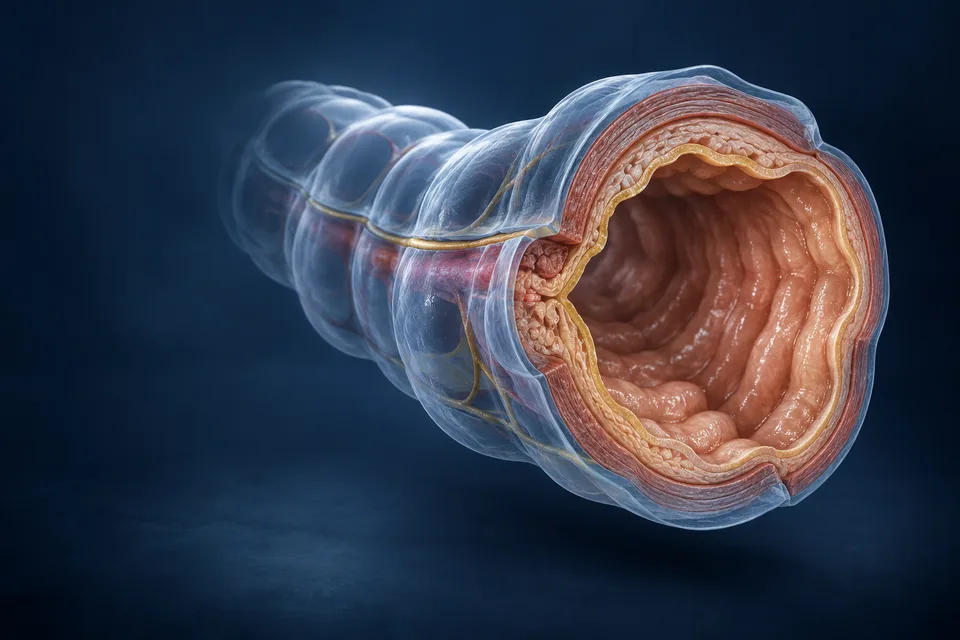
An anal or perianal fistula is a pathological duct that connects the anal canal to the skin around the anus. It often occurs after a perianal abscess and may cause discharge of fluid, pus, or recurrent swelling. The surgical treatment is chosen based on the anatomy of the duct and the protection of the function of the sphincters.
It is usually a tract resulting from inflammation of the glands of the anal canal. It can be simple or complex and cross a different percentage of sphincter muscles. It needs to be differentiated from other conditions in the area or fistulas associated with inflammatory bowel disease.
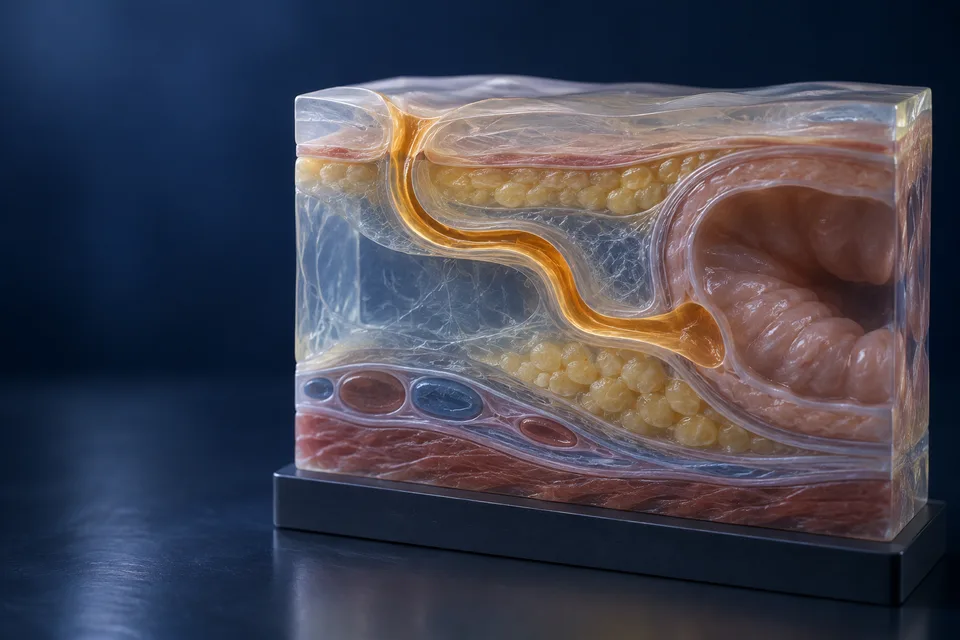
Simple and complex fistula
Complex fistulas may have ramifications, cross a significant portion of the sphincters, or be associated with recurrence and Crohn's disease. Differentiation determines the safe method.
INFORMATION
When should it be seen by a surgeon?
Persistent discharge, recurrent abscess, pain, redness, or swelling require evaluation. An acute perianal abscess with fever or severe pain may require emergency drainage. The doctor assesses whether there are any symptoms or a history of intestinal inflammation.
INFORMATION
How is the diagnosis made?
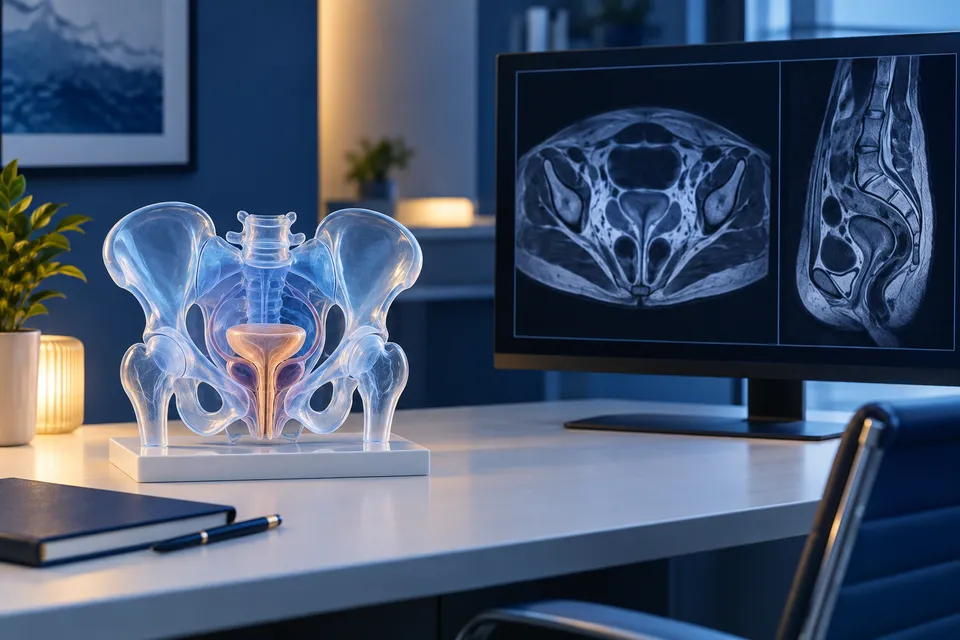
Clinical examination and, where appropriate, proctoscopy assist in mapping. For complex or recurrent fistulas, a pelvic MRI or intra-anal ultrasound may be needed. Control of continence and recording of previous interventions are important elements.

Personalised CARE
The right treatment
starts with you.
Your investigations, history and needs guide the next step. Discuss the available options with your doctor.
Talk to the doctorINFORMATION
Surgical techniques for anal fistula
No one technique is right for all situations. Effectiveness must be weighed against the risk of sphincter injury.
Fistulotomy
In suitable simple fistulas with limited involvement of the sphincters, the duct can be opened to heal from its base. It is not appropriate when it would pose a significant risk to continence.
Seton for drainage and staged treatment
In complex ducts, a loose seton can be placed to control inflammation and drainage before further surgery. It does not automatically mean a definitive cure.
Sphincter-preserving techniques (LIFT / advancement flap)
Ligation of the intersphincteric duct (LIFT) and advancement flap are solutions for selected cases. The choice depends on anatomy, active inflammation and previous attempts.
INFORMATION
Preparation and recovery
Before surgery, previous episodes, treatments, medications and Crohn's disease if present are discussed. Anaesthesia and preparation instructions are tailored to the method. After the operation, specific instructions are provided for hygiene, wound care, analgesia, feeding and bowel movements. Healing time varies by technique.
INFORMATION
Relapse risk and continence protection
Possible risks are recurrence, infection, delayed healing, and sphincter injury with possible incontinence. Definitive restoration is not necessarily possible with a single surgical stage. Fever, increasing pain, or new swelling need evaluation.
The techniques presented are available options of modern surgery, not a statement that each technique is provided in a particular practice.
INFORMATION
Medical assessment and communication
Informational content is not a substitute for an individualised medical evaluation. The type of operation and recovery are determined by the surgical team. Schedule a visit: Contact the doctor