INFORMATION
What is haemorrhoidectomy?
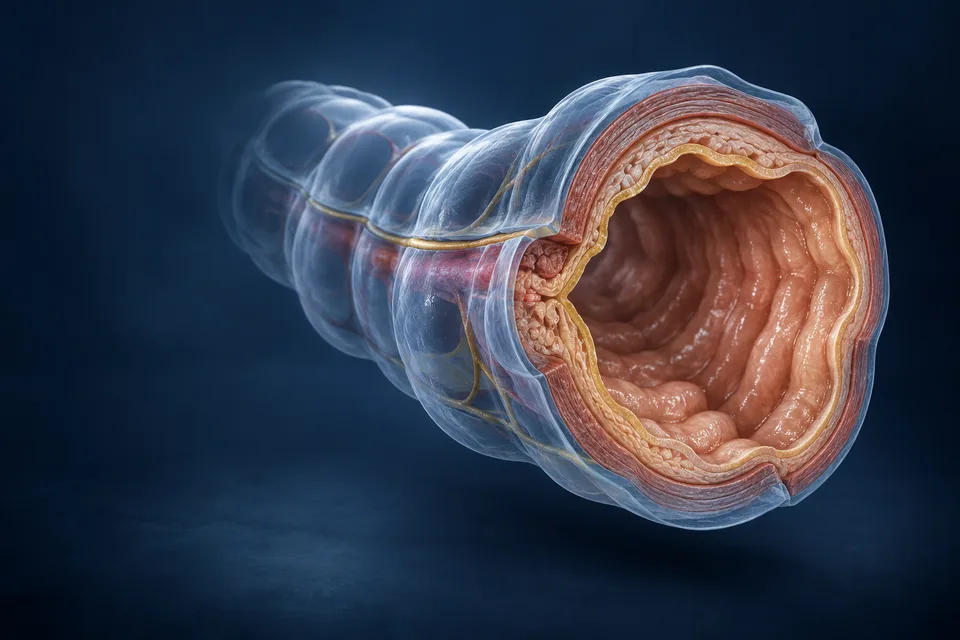
Haemorrhoidectomy is the surgical removal of haemorrhoidal tissue in selected patients with persistent or advanced haemorrhoidal disease. It is not necessary for every case of haemorrhoids: treatment begins with a correct diagnosis and may include changes in bowel movements, medical treatments or surgery, depending on the intensity and type of symptoms.
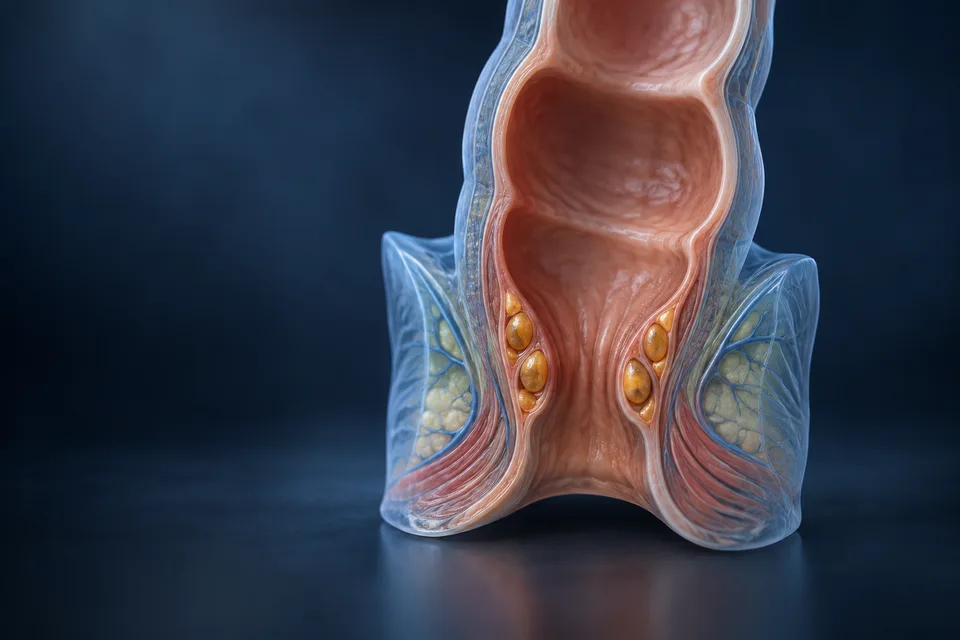
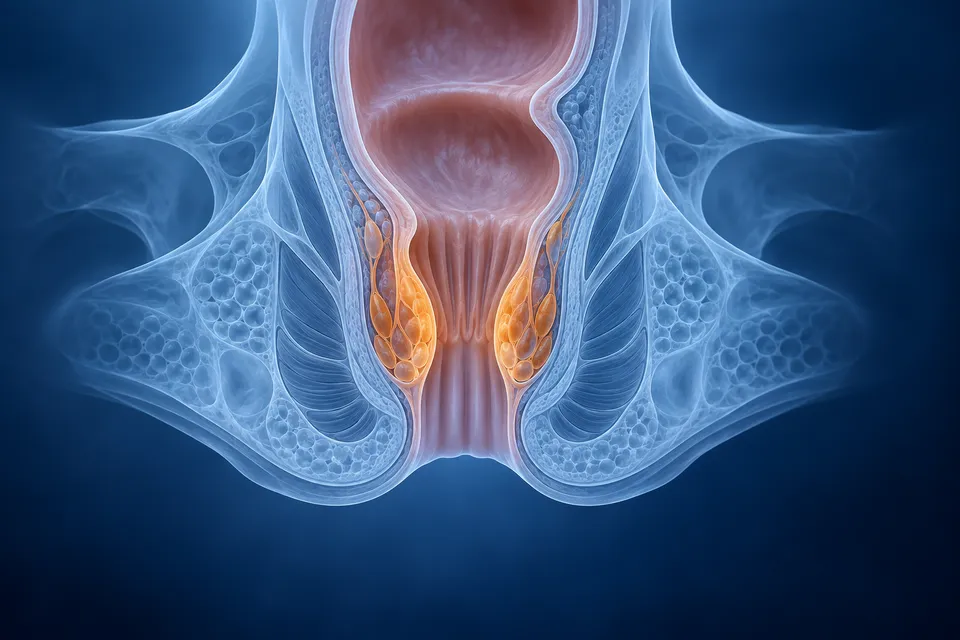
Haemorrhoids are normal vascular cushions of the anal area. When they swell and cause bleeding, prolapse, itching or pain, symptomatic haemorrhoids may develop. Haemorrhoidectomy removes specific diseased haemorrhoidal nodules and is used when simpler measures are insufficient or when the anatomy/severity of the disease warrants it.
The choice depends on whether it is internal or external haemorrhoids, the degree of prolapse, the presence of thrombosis and the needs of the patient.
INFORMATION
When is surgery needed for haemorrhoids?
It is often discussed for significant prolapse, large symptomatic external haemorrhoids, recurrence or failure of conservative treatment and office interventions. Blood in the stool is not automatically attributed to haemorrhoids: an examination and, where indicated, a check for other causes such as polyps or bowel disease is required.
Conservative treatment and office treatments
Managing constipation, fibre, hydration and avoiding straining are key measures. Rubber band ligation or other outpatient treatments may be used for selected grades of internal haemorrhoids.
INFORMATION
How is haemorrhoidectomy performed?
With appropriate anaesthesia, the surgeon removes the problematic haemorrhoidal tissue, protecting the surrounding structures. Classic open or closed techniques differ in wound management. Special energy tools can be used when there is a reason, without guaranteeing a painless recovery.
Open and closed technique
Closed haemorrhoidectomy involves suturing the wound, while in open, healing takes place without complete closure. The choice is personalised.
Laser and other techniques: what you need to know?
The term "haemorrhoid laser" does not describe a single operation with guaranteed results. There are techniques that differ in indications, recurrences and postoperative course. The discussion should be about the specific method and not just the tool.
Personalised CARE
The right treatment
starts with you.
Your investigations, history and needs guide the next step. Discuss the available options with your doctor.
Talk to the doctorINFORMATION
What does the pre-operative examination include?
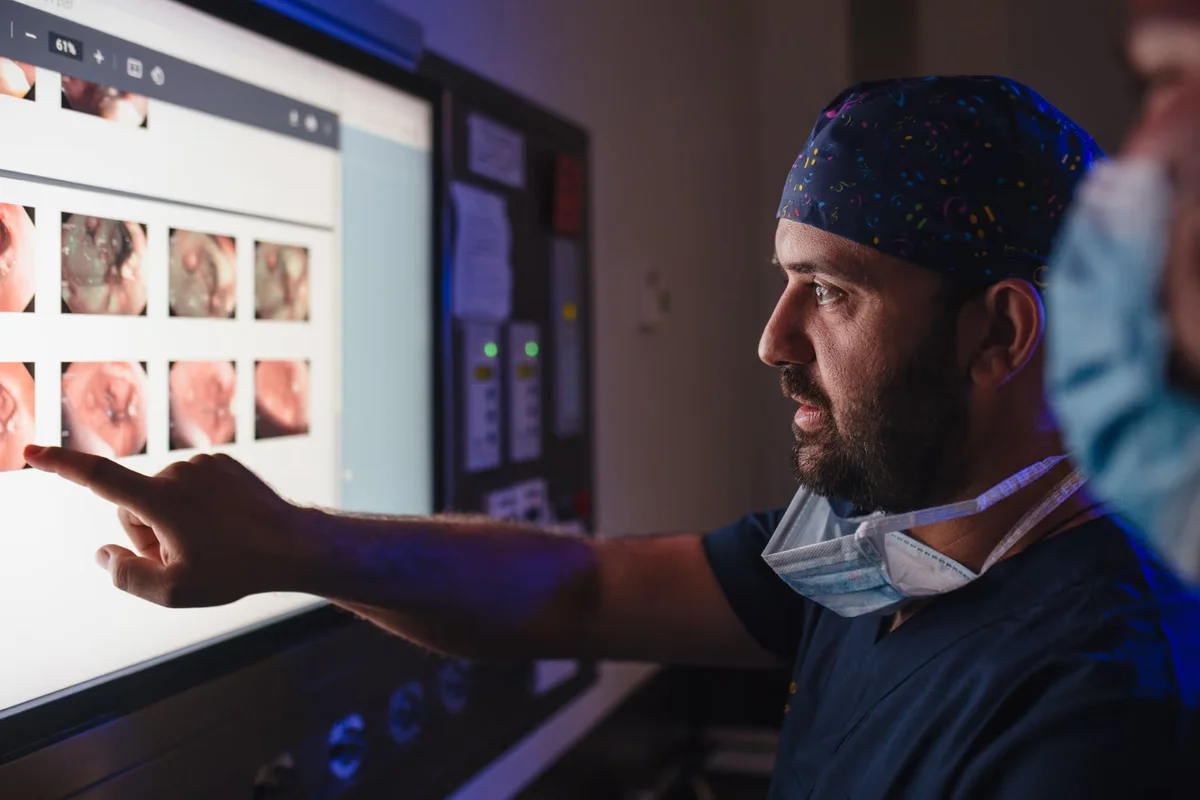
Assessment includes medical history, clinical examination, often proctoscopy, and investigation of bleeding where indicated. Bowel habits, anticoagulant use, previous treatments and other conditions are discussed. The surgical and anaesthetic team provides fasting, bowel preparation and pain relief instructions.
INFORMATION
Recovery after haemorrhoidectomy
Recovery often involves pain, especially during the first bowel movements. Adequate pain relief, avoiding constipation, soft stools and hygiene are central to care. Return to work or exercise varies. Patients receive clear wound-care and follow-up instructions.
ATTENTION TO THE SYMPTOMS
Risks, recurrence and points of caution
Possible risks are bleeding, infection, urinary retention, persistent pain, anal stricture or, more rarely, incontinence. Even after surgery, factors that aggravate bowel movements need to be addressed.
Heavy bleeding, fever, increasing pain, or inability to urinate after surgery require immediate medical attention.
INFORMATION
Medical assessment and communication
Information is not a substitute for an examination and an individualised treatment plan. To evaluate and discuss options: Contact the doctor.