INFORMATION
What is a thyroidectomy?
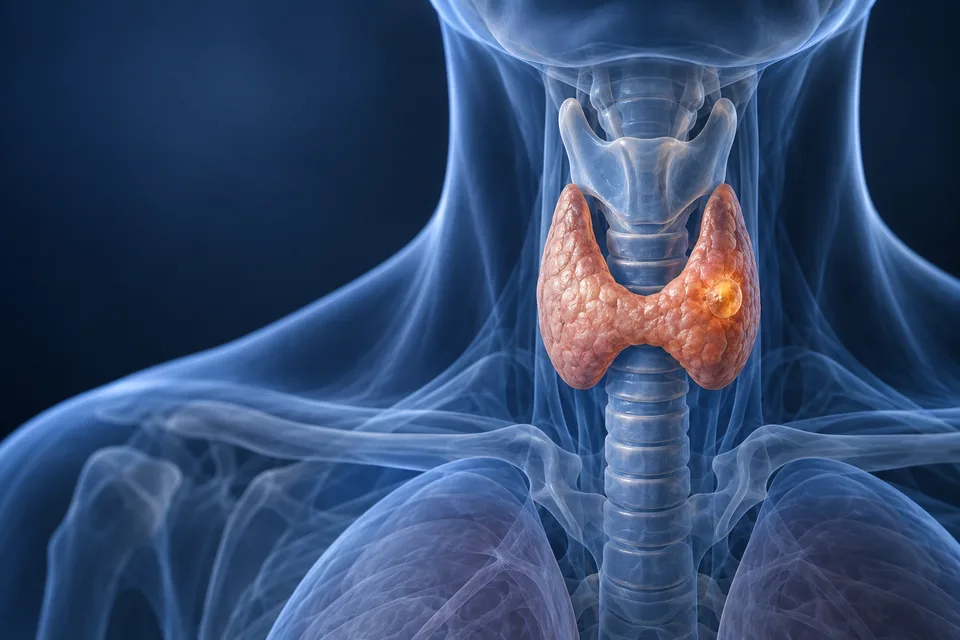
Thyroidectomy is the surgical removal of the thyroid gland in whole or in part. It may be needed for a suspicious or malignant nodule, goitre causing pressure, or selected hyperfunction problems. Many benign nodules do not require surgery. The appropriate operation is selected after an assessment of individual risk and examinations.
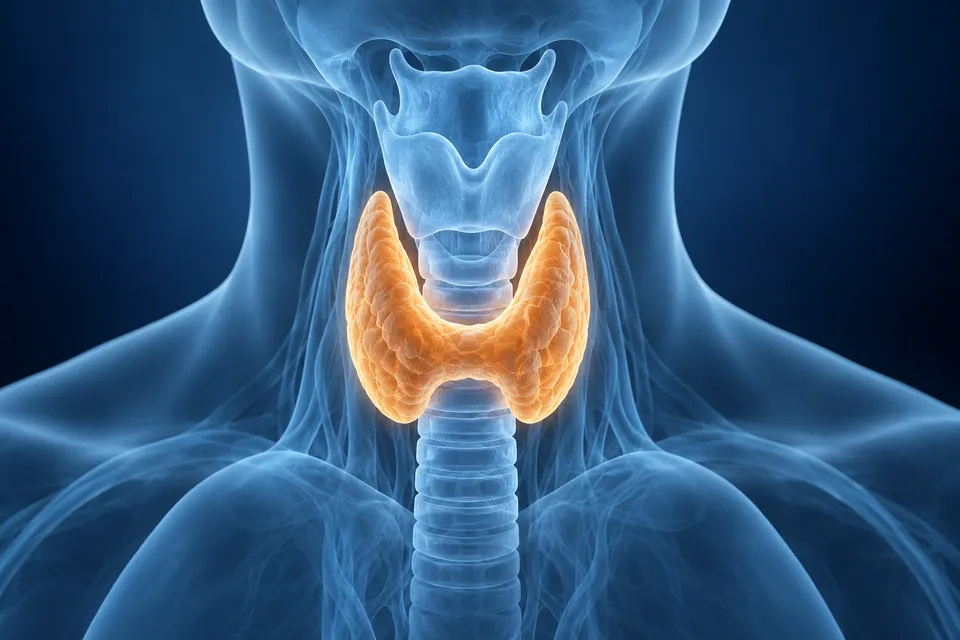
The thyroid gland is located in the neck and produces hormones important for metabolism. In a thyroidectomy, one lobe or the entire gland is removed. Extent is not determined by the word "nodule" or "cancer" alone: cytology, ultrasound findings, size, risk, and patient preference are all considered.
Lobectomy or hemithyroidectomy
One lobe is removed and often sufficient hormonal function is maintained, although this is not guaranteed. It may be appropriate for certain benign or low-risk lesions.
Total thyroidectomy
The entire thyroid is removed. Daily thyroid hormone replacement is then required, while monitoring of function and calcium is important.
INFORMATION
When is thyroid surgery needed?
Suspicious cytology, confirmed malignancy, large goitre with dysphagia or pressure, and some cases of hyperthyroidism are common indications. In other patients, periodic ultrasound and endocrinological monitoring are sufficient. Not every small thyroid cancer requires total thyroidectomy: the decision is individualised.
INFORMATION
Preoperative assessment
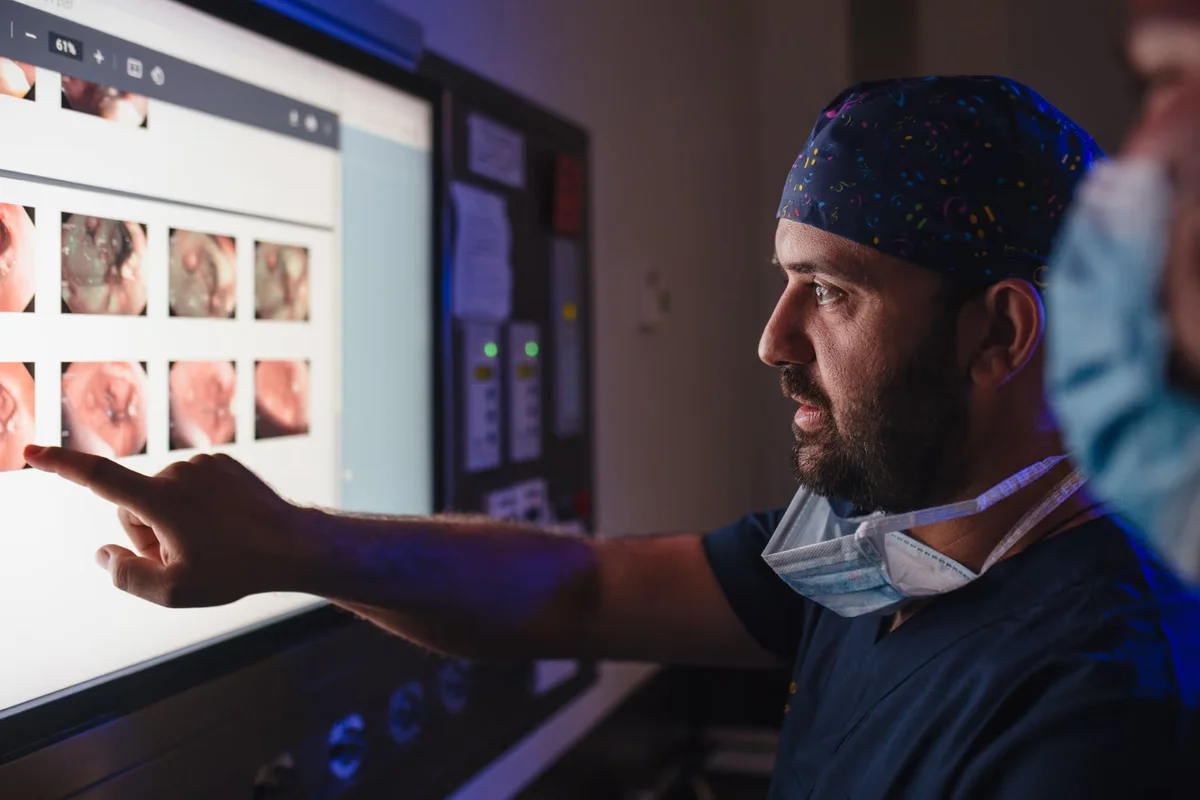
Ultrasound findings, hormone tests (such as TSH), FNA where indicated and any imaging are reviewed. A history of hoarseness or previous surgery may require vocal cord mobility testing. The endocrinologist and anaesthetist participate as needed.
Personalised CARE
The right treatment
starts with you.
Your investigations, history and needs guide the next step. Discuss the available options with your doctor.
Talk to the doctorINFORMATION
How is thyroidectomy performed?
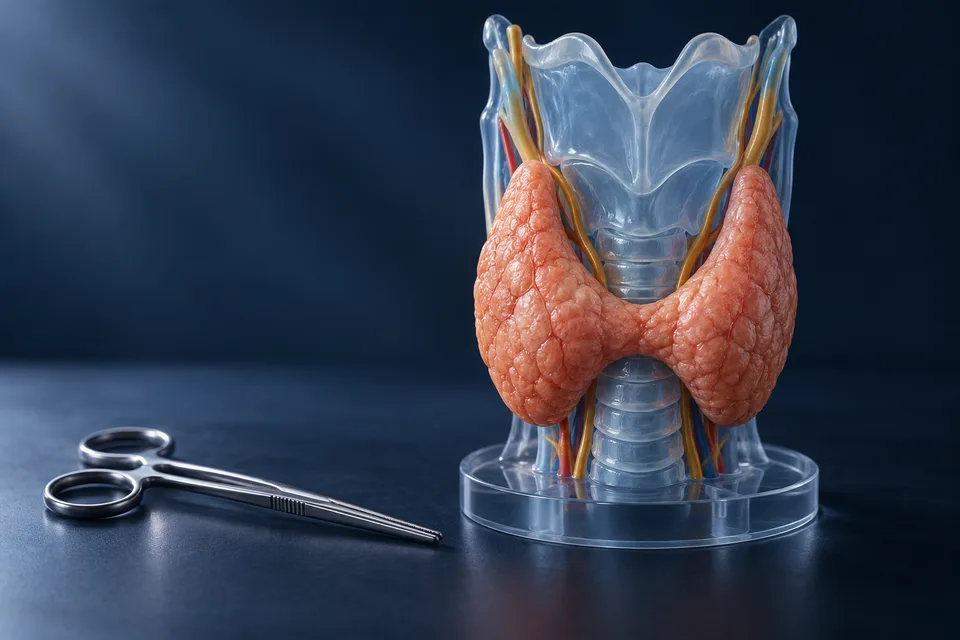
The operation is usually performed with an incision in the neck and general anaesthesia. During preparation the laryngeal nerves and parathyroid glands are identified and protected. The neuromonitoring device can help in some cases but does not by itself eliminate the risk of nerve damage.
Why do we care about voice and calcium?
The laryngeal nerves are associated with the movement of the vocal cords. Parathyroids regulate calcium. A change in voice or low calcium may occur transiently or, more rarely, persist.
INFORMATION
Recovery, scar and thyroxine
Hospitalisation is often short, but the duration depends on the clinical course. Breathing, swallowing, voice and, where appropriate, calcium are monitored. After total thyroidectomy, daily thyroxine and regular laboratory control of dosage is needed. After a lobectomy, the need for replacement is judged individually.
ATTENTION TO THE SYMPTOMS
Complications and emergency symptoms
Main risks are bleeding and haematoma in the neck, infection, temporary or permanent voice disorder, low calcium and the need for additional treatment. After surgery rapidly increasing swelling in the neck or shortness of breath require immediate emergency help. Numbness or muscle spasms should also be reported for calcium testing.
INFORMATION
Medical assessment and communication
Information is not a substitute for an examination and an individualised treatment plan. To evaluate and discuss options: Contact the doctor.