INFORMATION
What is a gastrectomy and what are its types?
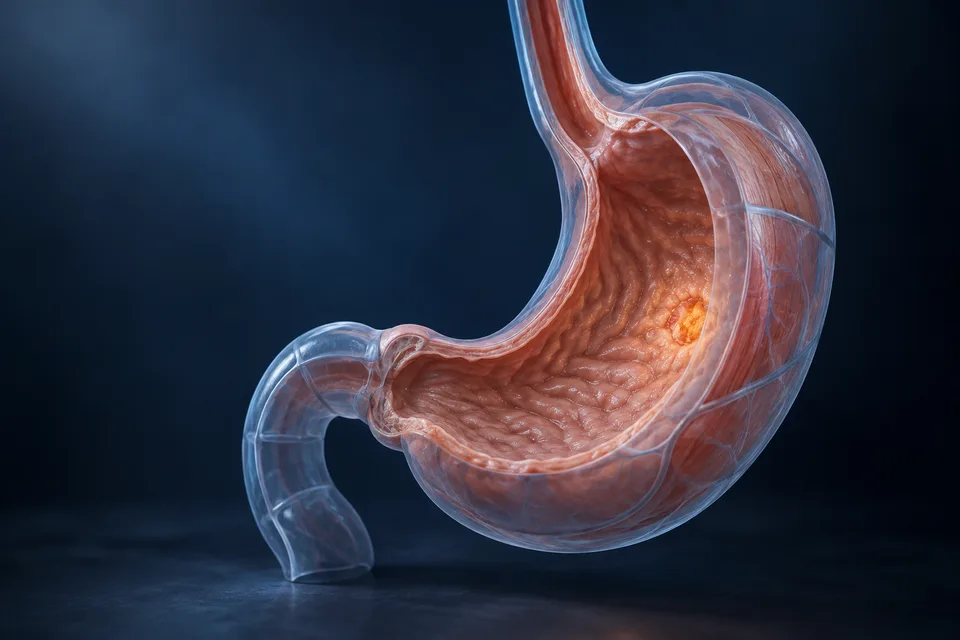
A gastrectomy is the removal of part or, in some cases, the entire stomach. It is mainly used as part of the treatment of selected patients with stomach cancer. The decision on the extent of surgery is based on the location and stage of the disease and is made within an overall, often multidisciplinary treatment plan.
The operation removes the part of the stomach that needs to be removed along with the necessary lymph nodes when it is an oncological indication. The continuity of the digestive tract is restored by surgical connection (anastomosis). Not all patients have the same anatomical restoration.
Subtotal gastrectomy
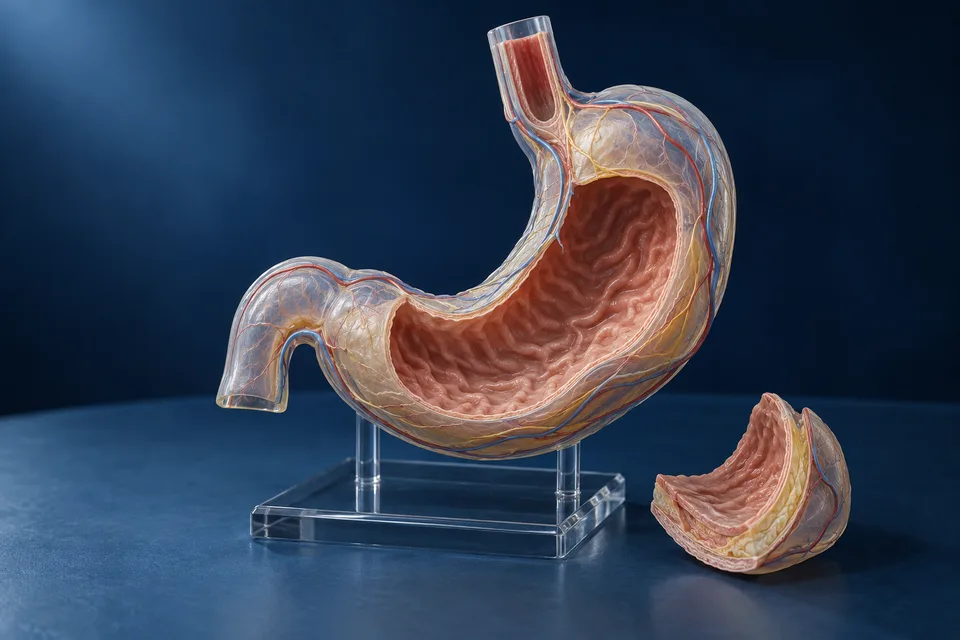
Part of the stomach is removed, often the distal part. It is chosen when an adequate oncological result is ensured without the need to remove the entire organ.
Total gastrectomy
The entire stomach is removed and the oesophagus is connected to the intestine. It requires more complex dietary adjustment and long-term monitoring for nutritional deficiencies.
INFORMATION
When is it appropriate and when are there alternatives?
Gastrectomy is discussed in operable gastric cancer after evaluating the histologic diagnosis, location, staging, and overall condition of the patient. Small very early lesions with specific characteristics can be treated endoscopically. In advanced disease, treatment may include systemic therapy or other interventions.
The role of the multidisciplinary cancer team
In many cases, the need for perioperative chemotherapy or other treatments is assessed. Their order is not the same for everyone, so the collaboration of the surgeon, oncologist, gastroenterologist and anaesthesia team is required.
INFORMATION
Preoperative assessment and preparation
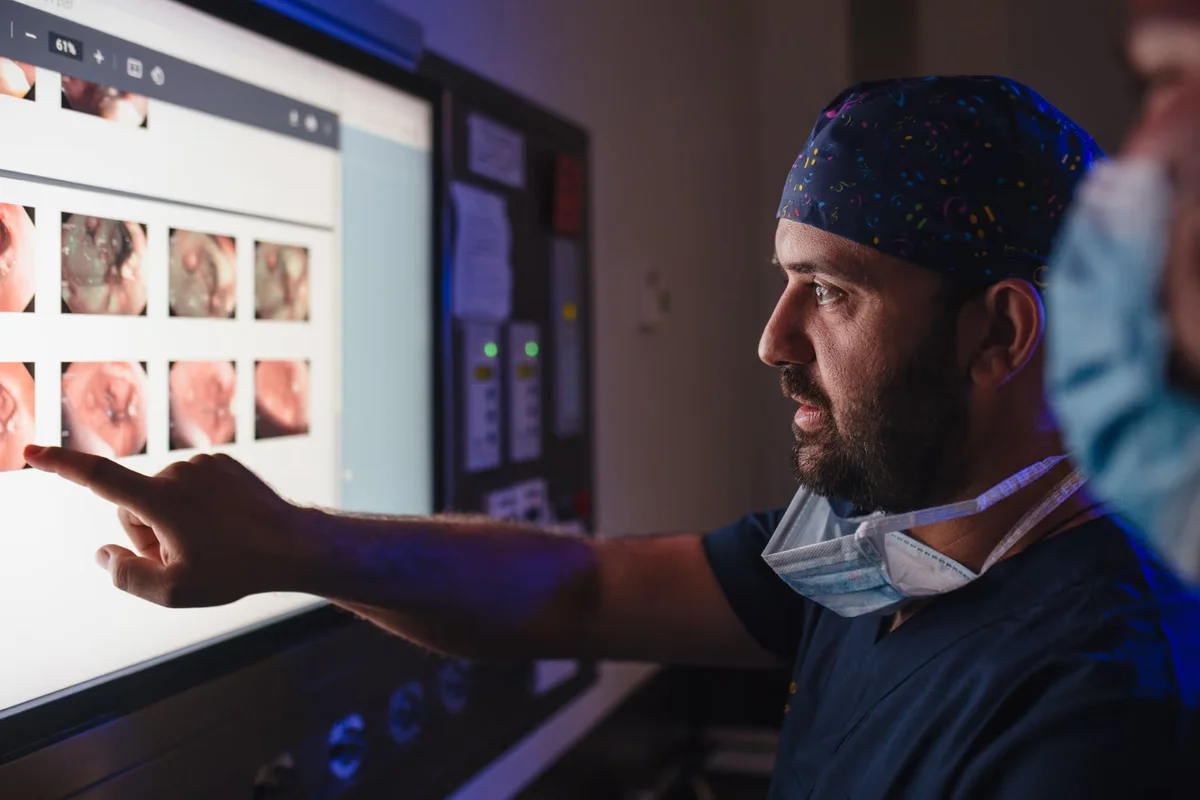
Investigation usually includes gastroscopy with biopsy, CT or other staging tests, and assessment of nutritional status. Some patients need additional tests or diagnostic laparoscopy. Medications, anaesthesia, nutrition, and the possibility of needing support before or after surgery are discussed.
Nutritional preparation is of particular importance: preoperative weight loss and reduced protein intake must be recognised early.

Personalised CARE
The right treatment
starts with you.
Your investigations, history and needs guide the next step. Discuss the available options with your doctor.
Talk to the doctor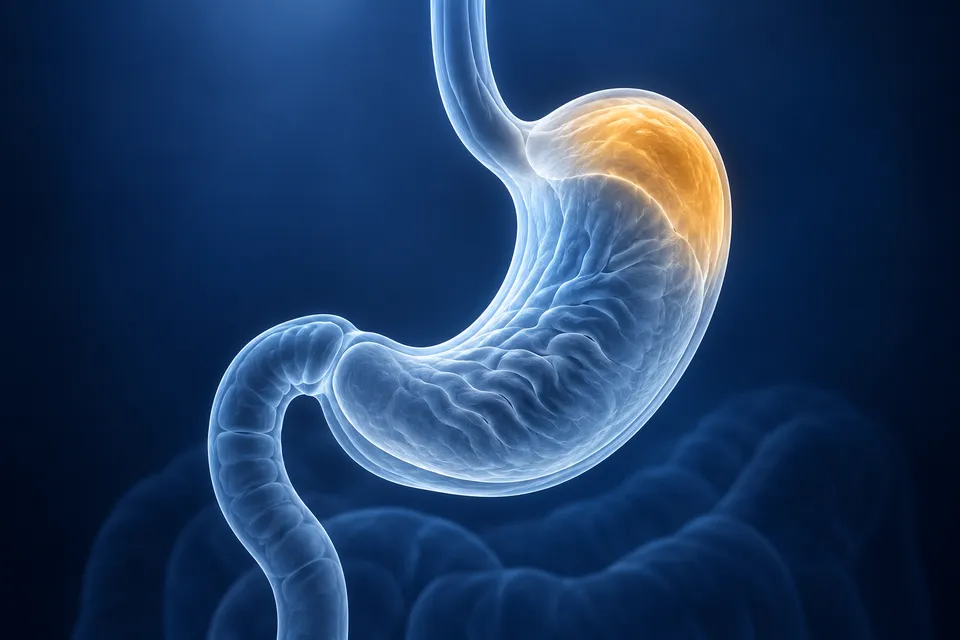
INFORMATION
How is a gastrectomy performed?
The surgeon removes the intended part of the stomach and, where appropriate, the lymph nodes. It then creates an anastomosis to restore the food passage. The operation can be performed open, laparoscopically or robotically, depending on the case and surgical experience.
Lymph node dissection
In oncological surgery it is part of the therapeutic and staging planning. Its extent depends on the location of the tumour, the disease and the applicable surgical principles.
Anastomosis and reconstruction of the digestive tract
The anastomosis technique is determined by how much stomach remains. After a total gastrectomy, a new connection of the oesophagus with the intestine is needed, with a different digestive function.
INFORMATION
Recovery, nutrition and monitoring
After the operation, feeding is gradually resumed, according to the course of the anastomosis and the judgement of the team. Smaller, more frequent meals, attention to hydration, and dietary support are usually recommended. Dumping, weight loss, iron deficiency or other deficiencies may occur.
After total gastrectomy, long-term vitamin B12 supplementation is required, along with monitoring of iron and other nutritional parameters. The histological result determines the continuation of the oncological follow-up.
INFORMATION
Potential risks and complications
Major complications can be bleeding, infection, anastomotic leakage, thrombosis, pulmonary complications, and nutritional problems. The seriousness of the operation and the individual risks are discussed in advance, without promises of a guaranteed result.
After discharge, fever, increasing pain, inability to take fluids, or shortness of breath require immediate medical evaluation.
INFORMATION
Communication and medical assessment
This information does not replace a clinical examination. The suitability of an operation, technique and recovery time are assessed individually. To arrange an assessment: Contact the doctor