INFORMATION
What is laparoscopic cholecystectomy?
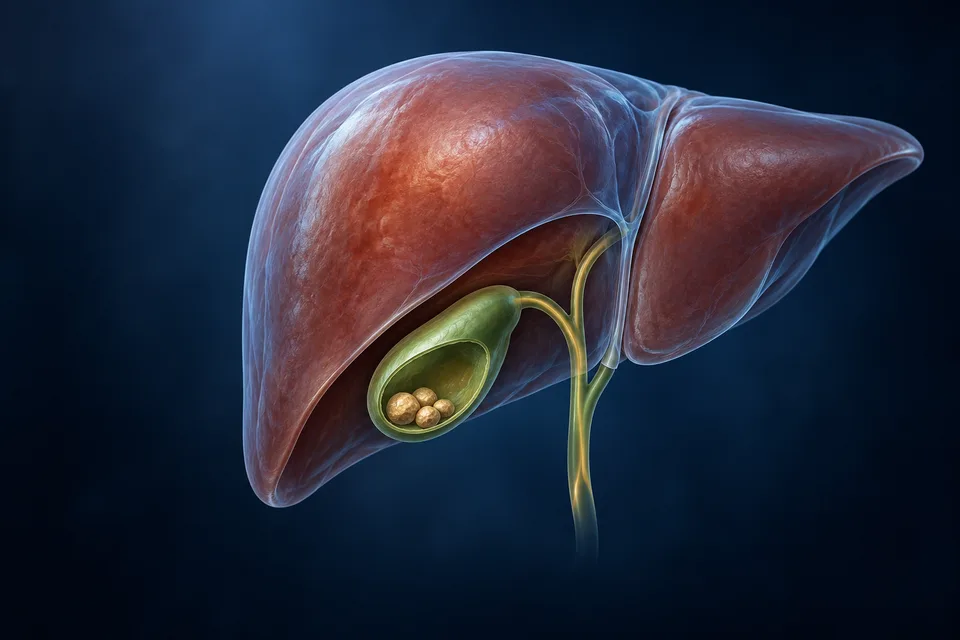
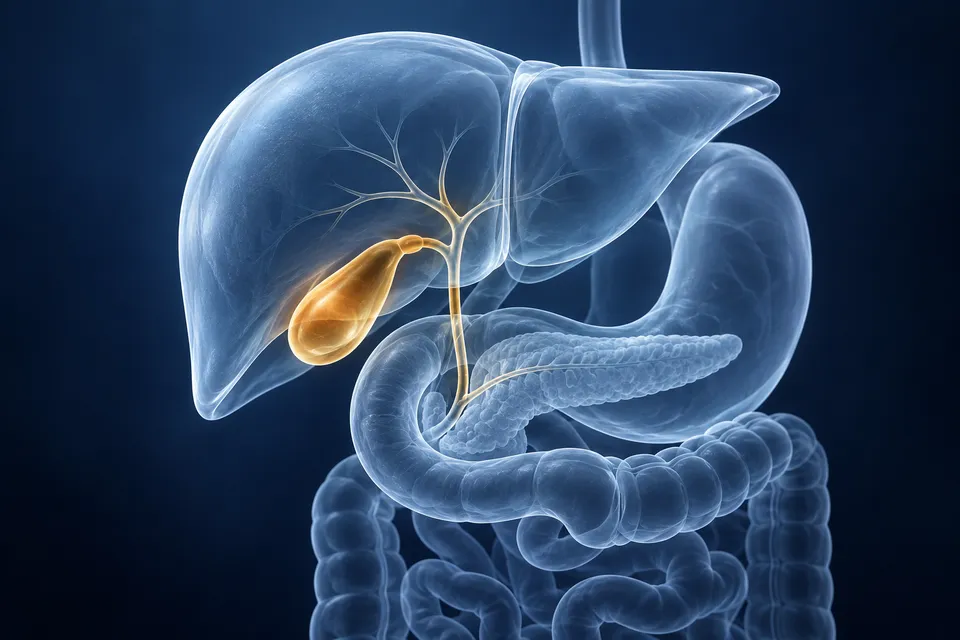
Laparoscopic cholecystectomy is the operation to remove the gallbladder through small incisions in the abdomen. It is usually recommended when stones are causing symptoms or complications. The goal is not just to remove a stone, but to safely treat the gallbladder problem once the indication is confirmed.
The gallbladder is a small organ under the liver that stores bile, which is produced by the liver itself. When stones form and cause colic, inflammation or other complications, removal of the gallbladder is often the recommended definitive treatment.
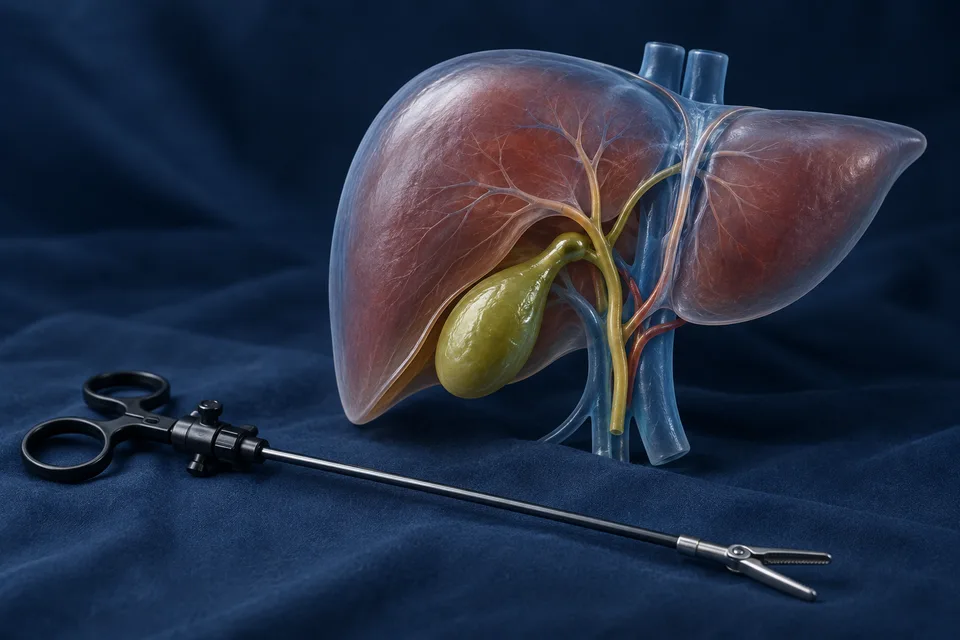
In the laparoscopic method, a camera and special tools are inserted through small incisions. General anaesthesia is usually necessary. The surgeon identifies the anatomical structures, detaches and removes the gallbladder.
INFORMATION
When is surgery needed for gallstones?
The decision is based on symptoms, ultrasound findings, and overall medical history. Symptomatic cholelithiasis, acute cholecystitis or selected gallbladder conditions may be an indication. Incidental asymptomatic stone findings do not automatically mean surgery.
Which symptoms need immediate evaluation?
Prolonged right upper abdominal pain, fever, chills, yellowing of the skin or eyes, and persistent vomiting require immediate medical evaluation. They may indicate cholecystitis, cholangitis, or bile duct obstruction.
What if there are stones in the bile duct?
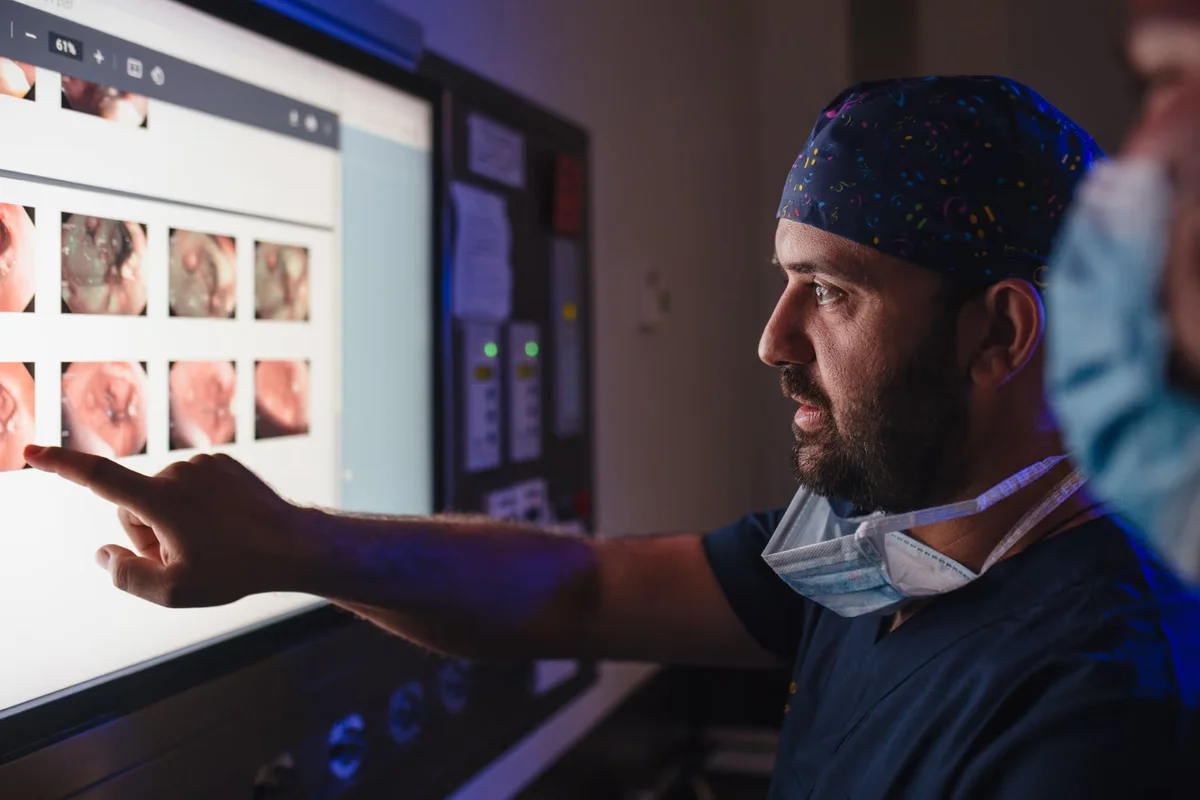
When choledocholithiasis is suspected, a special imaging test or endoscopic intervention (ERCP) may be needed before or around the operation. The sequence of actions is adapted to the case.
INFORMATION
How is the operation performed?
The surgical team proceeds with careful identification of the biliary anatomy and applies safety techniques before transecting the structures. The gallbladder is removed through one of the small incisions. Duration varies according to inflammation, adhesions and anatomical conditions.
Laparoscopic, robotic or open access?
Laparoscopy is the usual method. Robotic assistance can be chosen in specific cases without being necessary for everyone. If anatomy or inflammation does not allow safe continuation, conversion to open surgery or modification of strategy may be necessary.
What is finally removed?
The gallbladder is removed along with its stones. Removal of the stones alone is not the usual treatment for symptomatic cholelithiasis.

Personalised CARE
The right treatment
starts with you.
Your investigations, history and needs guide the next step. Discuss the available options with your doctor.
Talk to the doctorINFORMATION
Preparation before cholecystectomy
They are preceded by a clinical assessment, a laboratory test and an ultrasound. Depending on the picture, additional tests of the bile ducts may be needed. The anaesthesia team gives individualised fasting and medication instructions. Anticoagulants are not stopped without consultation.
At the visit it is helpful to have previous tests, allergy information and a complete medication list. In urgent inflammation the timing is adjusted.
INFORMATION
Recovery and nutrition after cholecystectomy
Many patients are mobilised early and return home in a short time, but the length of hospitalisation depends on the condition and the course. Returning to work and exercise is individualised. Smaller, more digestible meals are preferred initially, with gradual re-introduction of foods as tolerated.
Without a gallbladder, the liver continues to produce bile. Some experience transient bowel disturbances or intolerance to high-fat meals. Persistent symptoms need evaluation.
INFORMATION
Possible risks and when to contact a doctor
As with any operation, there are risks including bleeding, infection, bile leakage, a retained bile duct stone or, more rarely, injury to the bile ducts and nearby structures. Each case is different and zero risk cannot be guaranteed.
After discharge, fever, increasing abdominal pain, jaundice, or persistent vomiting require immediate team communication or urgent evaluation.
INFORMATION
Communication and medical assessment
This information does not replace a clinical examination. The suitability of an operation, technique and recovery time are assessed individually. To arrange an assessment: Contact the doctor