INFORMATION
What is an appendicectomy?
Appendicectomy is the removal of the appendix and is a common treatment for acute appendicitis. Appendicitis pain can develop quickly, so it should not be treated by waiting at home. The decision to operate or, in certain uncomplicated cases, to treat with antibiotics, is made after a timely hospital evaluation.
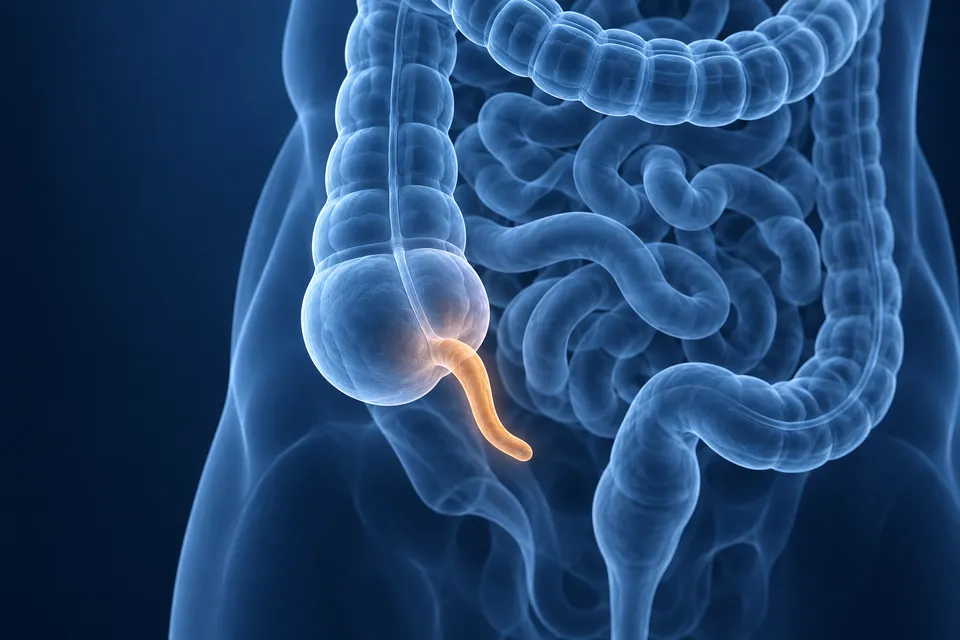
The appendix is a small tubular part that arises from the caecum. When inflamed, it can cause severe abdominal pain and, left untreated, lead to perforation or abscess. The operation removes the inflamed appendix and treats the source of the problem.
The operation is usually performed under general anaesthesia and can be performed laparoscopically or open, depending on the findings.

INFORMATION
When is immediate medical evaluation required?
Pain starting around the navel and located in the right lower abdomen, anorexia, nausea, vomiting or fever are possible symptoms. Not all are always seen, and in children, pregnant women and the elderly the picture may be atypical.
Increasing or persistent abdominal pain, inability to take fluids, or signs of general deterioration require urgent evaluation. Waiting by self-medication is not recommended.
What tests confirm the diagnosis?
The diagnosis is based on the clinical picture, laboratory tests and selected imaging, such as ultrasound or CT. Screening is individualised by age, pregnancy and clinical condition.
INFORMATION
Surgery or antibiotics?
Appendicectomy remains the mainstay of treatment, especially in complicated disease or when there is an increased risk of deterioration. In some stable patients with confirmed uncomplicated appendicitis, conservative antibiotic therapy may be discussed, under appropriate hospital monitoring and full awareness of possible recurrence or need for subsequent surgery.
An appendicolith, abscess or perforation significantly affects the decision. There is no single solution for every patient.

Personalised CARE
The right treatment
starts with you.
Your investigations, history and needs guide the next step. Discuss the available options with your doctor.
Talk to the doctor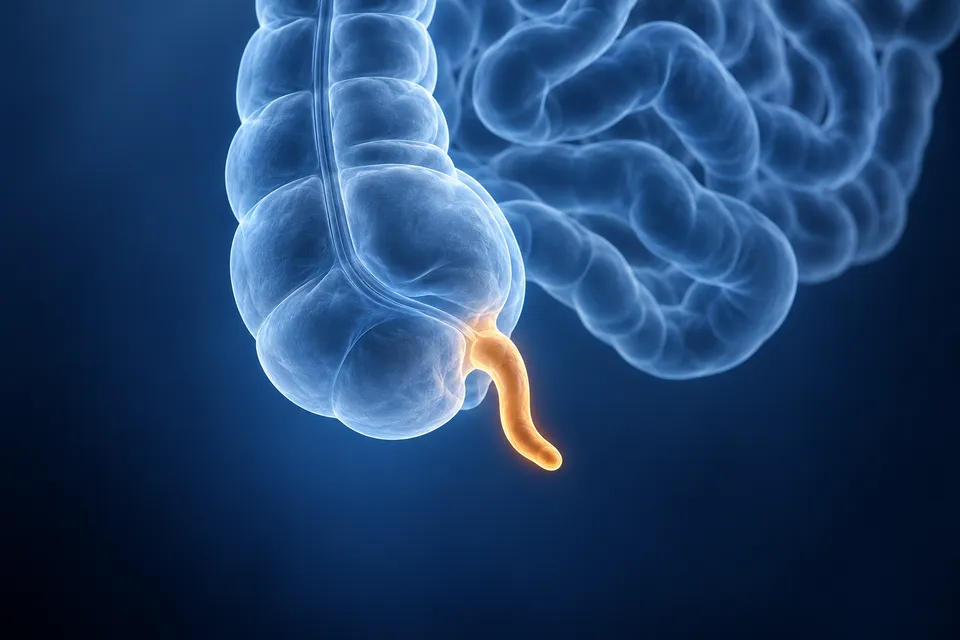
INFORMATION
How is a laparoscopic appendicectomy performed?
A camera and instruments are inserted through small incisions. The surgeon identifies the appendix, interrupts its blood supply and removes it with safe closure of the base. If there is an inflammatory effusion or other complication, treatment is adapted to the findings.
When is open access chosen?
In certain clinical circumstances open surgery may be appropriate from the outset or may require conversion for safety reasons.
INFORMATION
Preparation and postoperative course
The team assesses hydration, tests, allergies, medication and need for antibiotics. After surgery, gradual mobilisation and feeding are encouraged depending on the situation. In uncomplicated cases, hospitalisation is usually short; perforation, abscess, or other complications may require a longer stay and treatment.
INFORMATION
Risks, recovery and when to seek help
Potential risks include bleeding, wound infection, intra-abdominal abscess, ileus, and complications of anaesthesia. The time to return to activities depends on whether the appendicitis was complicated.
After discharge, fever, worsening pain, persistent vomiting, or severe redness/discharge from a wound require immediate communication with the team.
INFORMATION
Medical assessment and communication
Information is not a substitute for an examination. All treatment options, available techniques and potential risks are discussed individually with the relevant team. Communication: Contact the doctor