INFORMATION
What are intra-abdominal adhesions?
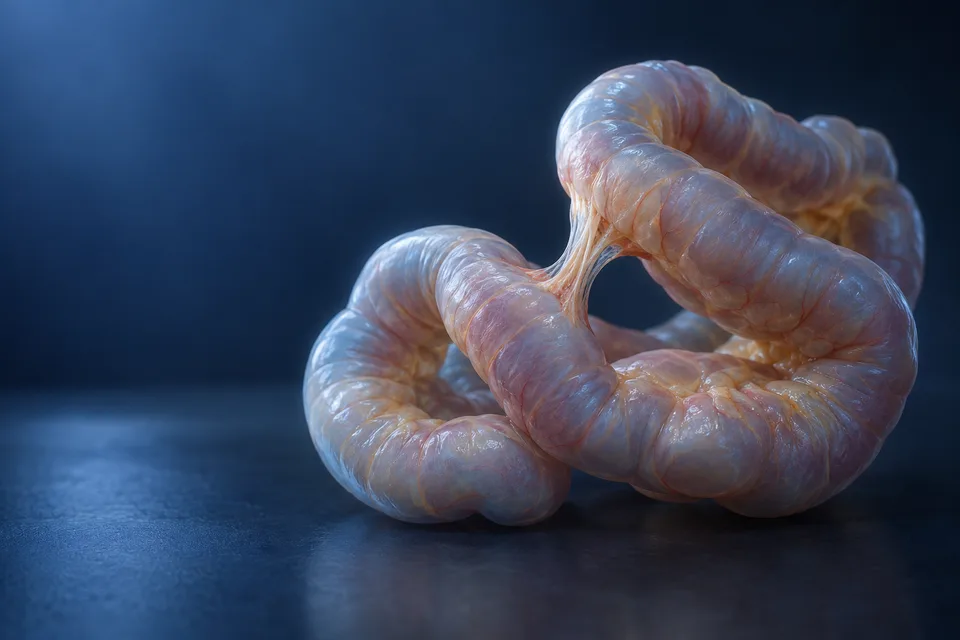
Adhesions are fibrous bands that can form inside the abdomen, often after surgery. They usually don't cause a problem, but in some cases they block the passage of bowel contents. Adhesiolysis is the surgical release of these points when there are clear indications and the expected benefit outweighs the risk.
This is tissue that abnormally connects surfaces of organs or peritoneum. They can appear after surgery, inflammation or other causes. Many are asymptomatic and do not require surgical treatment. When they cause mechanical ileus, the bowel can become folded or trapped.
Adhesions and ileus: what's the connection?
Bowel obstruction is manifested by abdominal pain, distention, vomiting and possible inability to pass gas or stool. Adhesions are a common cause of mechanical obstruction after previous surgery.
INFORMATION
When is adhesiolysis needed?
The decision is made after a hospital assessment, after determining whether there is an obstruction and whether there are signs of complications. Suspicion of bowel ischaemia or strangulation, peritonitis, worsening or failure of appropriate conservative treatment increases the need for urgent intervention.
Can it be treated without surgery?
In selected stable patients without evidence of ischaemia, conservative management may be attempted under close hospital monitoring. This is not a home treatment.
Chronic pain: is adhesiolysis always necessary?
No. Abdominal pain can have many causes, adhesions are not always proven to be responsible, and surgery can cause new adhesions or bowel injury.
INFORMATION
What tests are done?
The evaluation includes a history of previous procedures, a clinical examination, laboratory tests, and, often, a CT scan. Signs of obstruction, level and cause, and findings that may indicate risk of ischaemia are sought. It is important not to waste valuable time when there are worrying points.

Personalised CARE
The right treatment
starts with you.
Your investigations, history and needs guide the next step. Discuss the available options with your doctor.
Talk to the doctor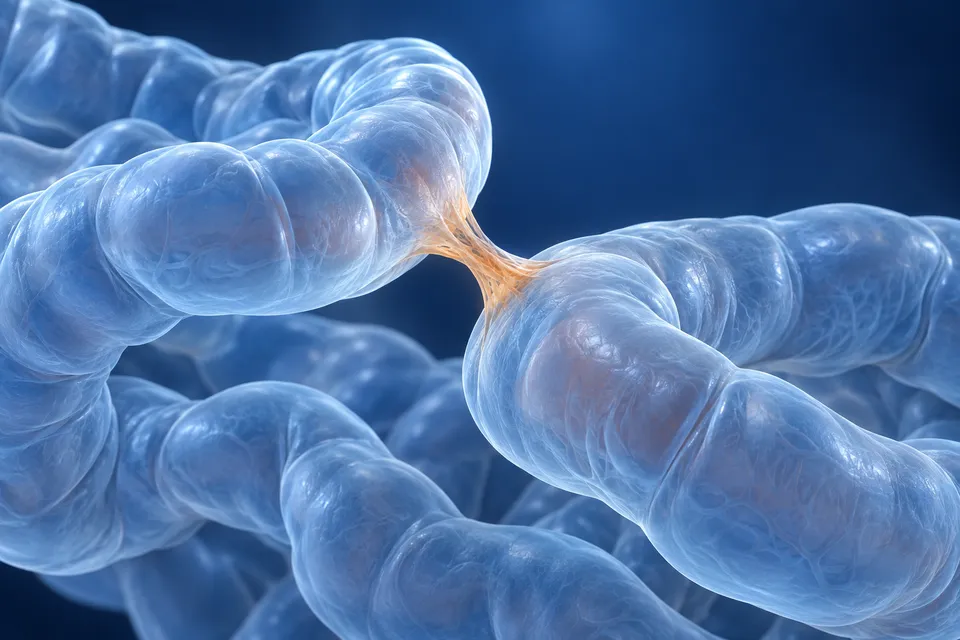
INFORMATION
How is adhesiolysis performed?
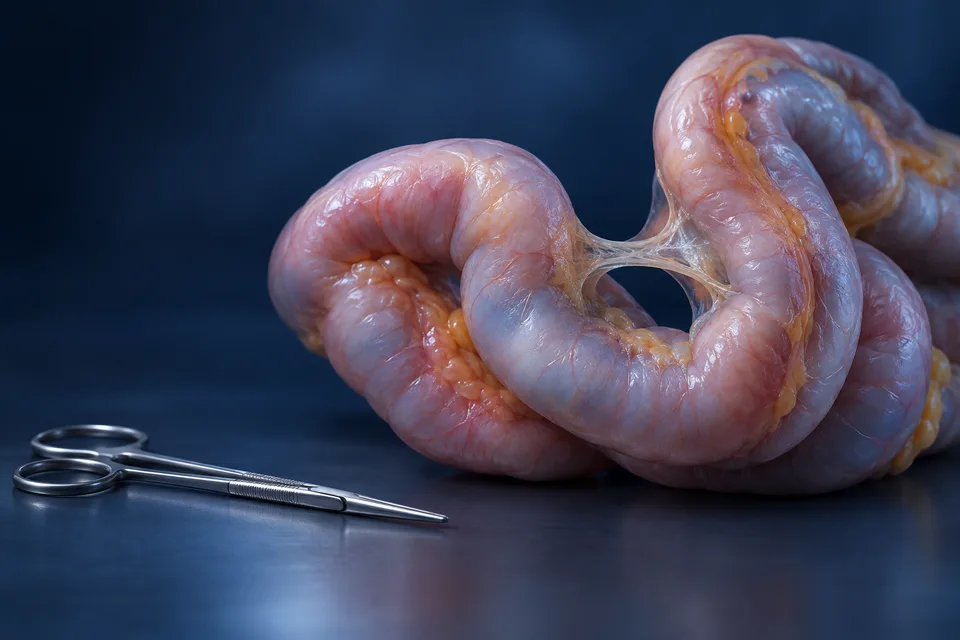
The surgeon carefully releases the adhesions blocking the bowel. The approach can be laparoscopic in selected cases or open, depending on the extent of bowel dilatation, previous surgeries and clinical situation.
What if the bowel is damaged?
If a portion of the bowel has suffered severe ischaemia or irreversible damage, resection and surgical reconnection may be necessary. This increases the complexity of recovery.
INFORMATION
Recovery and return of bowel function
The course depends on whether it is a simple adhesiolysis or whether an intestinal resection was required. Pain, mobilisation, return of bowel function and ability to feed are monitored. Recurrence of severe pain, vomiting or inability to pass gas requires immediate hospital assessment.
INFORMATION
Risks and possibility of new adhesions
Risks include accidental injury or perforation of the bowel, bleeding, infection, leakage from an anastomosis, and recurrence of obstruction. The operation itself can lead to the creation of new adhesions. That is why the surgical indication and the extent of the manipulations are evaluated with particular care.
INFORMATION
Medical assessment and communication
Informational content is not a substitute for an individualised medical evaluation. The type of operation and recovery are determined by the surgical team. Schedule a visit: Contact the doctor